Cat Smurgle: The Kneading-Purring-Drooling Combo Explained
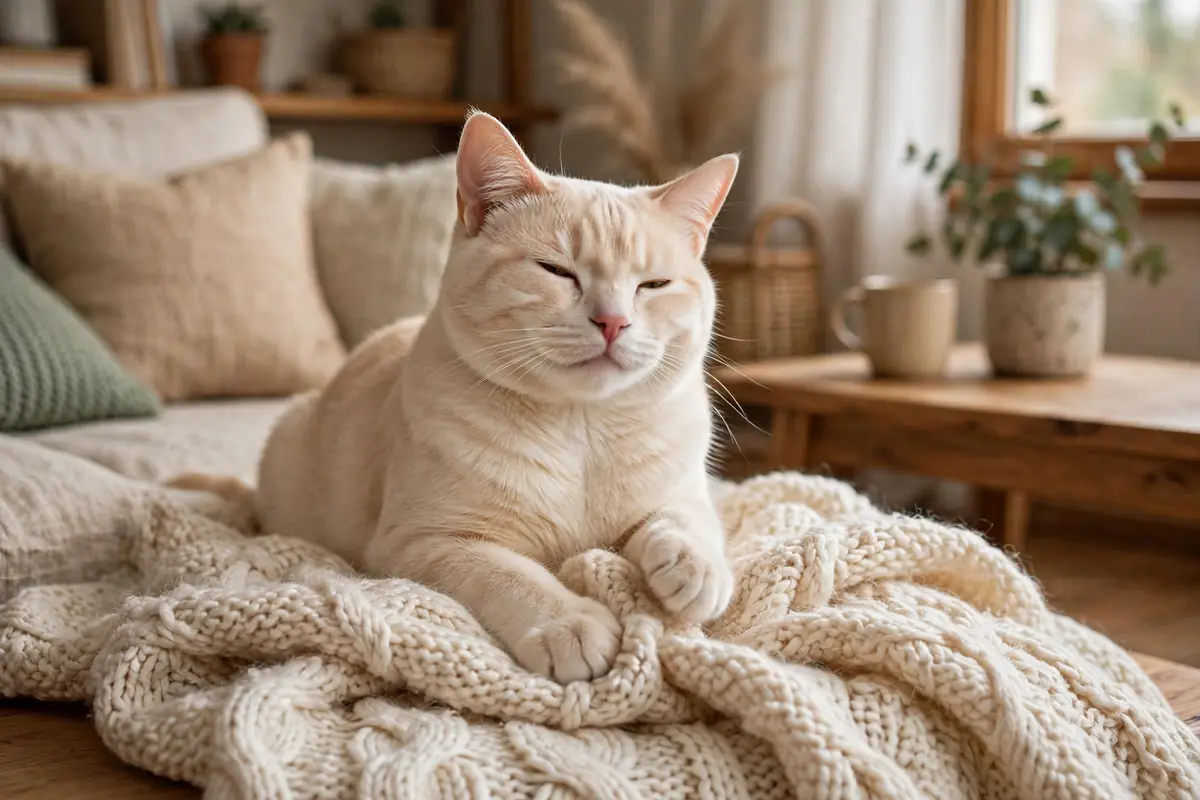
Picture the scene: your cat settles onto your lap, starts rhythmically pressing their paws into your leg like a tiny baker kneading dough, and switches on a deep, rumbling purr. Their eyes go soft and half-closed — and then you notice it: a thin string of drool escaping the corner of their mouth. Congratulations, you have just witnessed a cat smurgle, one of the most endearing behaviors in the entire feline repertoire.
"Smurgle" is not a term you will find in veterinary textbooks — it is a word the internet coined for this specific combo of kneading, purring, and drooling all at once. But the behavior is deeply real, and it tells you something wonderful: your cat feels completely safe. This guide explains what a smurgle is, where it comes from, the science behind the bliss, and the rare cases when the drool deserves a second look.
What Exactly Is a Cat Smurgle?
A smurgle has four signature ingredients, and the magic is in the combination:
- Rhythmic kneading. The alternating press of the front paws — left, right, left, right — against a soft surface, like kneading bread dough. Most cats prefer blankets, pillows, or their favorite human.
- A deep, steady purr. Not the polite greeting purr, but the full-body rumble you can feel through your lap. It usually starts seconds into the kneading and builds as the cat sinks deeper in.
- The bliss face. Eyes half-closed or shut, ears relaxed, whiskers loose, facial muscles completely slack — the feline equivalent of a spa-day expression.
- A little drool. The signature finishing touch — a damp chin, a wet patch on the blanket, sometimes a dangling string of saliva. Undignified and completely adorable.
Any one of these alone is ordinary. All four together, sustained for minutes, is a smurgle: your cat's all-in expression of contentment. Kneading is the dance move; the smurgle is the full performance.
The Kitten Connection: Where Smurgle Comes From
Every smurgle begins in kittenhood. Newborn kittens knead their mother's belly while nursing — the pressing stimulates milk flow, and the whole experience is wrapped in warmth and safety. For a kitten, kneading is paired with the best feeling in their small world: being fed by mom.
That association never really leaves. As cats grow, the nursing context fades but the emotional wiring stays. Adult cats knead when something recreates that original comfort — a soft blanket that feels like fur, a warm lap, the smell of a trusted person. The drool is part of the same package: the deep relaxation of smurgling can trigger a little anticipatory drool even years later. Your adult cat is revisiting their earliest memory of feeling safe.
Cats weaned very early sometimes smurgle more intensely, occasionally adding wool-sucking. For most cats, smurgling is simply a comfort behavior they kept because it works: it feels good.
Why Cats Smurgle: The Science of Bliss
Behaviorists see the smurgle as a self-soothing ritual. The rhythmic motion of kneading appears to trigger feel-good brain chemicals — the same reason humans find rocking calming. Each press is a tiny, predictable action in a world the cat has decided is safe.
There is a communication layer too. Cats have scent glands in their paw pads, and kneading deposits their scent on whatever they press. A cat smurgling on your lap is, in the most affectionate way possible, marking you as theirs. Combined with the purr — which signals "I am content, do not disturb this good thing" — the smurgle is a multi-channel broadcast of trust. Cats who claim your chest and cats who give love bites are speaking the same language: you are their safe place.
Watch a smurgling cat closely and you will see the trance-like signs: slowed blinking, a fixed soft gaze at nothing, a purr that occasionally stutters as the cat drifts toward sleep. Many smurgles end with the cat simply falling asleep mid-knead, paws still curled — which says everything about how relaxing the ritual is.
The Drooling Part: Why the Slobber?
Deep contentment relaxes everything — including the jaw muscles. A cat lost in a smurgle is so relaxed that swallowing pauses: saliva pools, gravity wins, and you get a damp spot on your jeans.
Smurgling recreates the nursing experience, so the brain can fire up old feeding-associated responses, salivation included — the feline version of mouth-watering happiness.
Happy drool is light (a damp chin, not a faucet), happens only during kneading or cuddling, and stops when the moment ends. If that matches your cat, the drool is a compliment.
Is Smurgle Always a Happy Sign?
Almost always — but context matters. The happy smurgle happens on a soft surface, with a relaxed body, during calm together-time. Worth knowing the variations:
- The anxious knead. Some cats knead when stressed — during vet visits, car rides, or after a scare. The difference is body language: tense posture, wide eyes, flattened ears, no purr. This is self-soothing under pressure, not bliss.
- The pre-sleep knead. Many cats knead bedding briefly before curling up — a surviving instinct from wild ancestors patting down grass to make a nest. A minute of bedtime kneading followed by sleep is perfectly normal.
- The affection knead. Kneading on you is social. Cats reserve their most vulnerable relaxed behaviors for people they trust completely. A cat would never smurgle on someone they feared.
Happy smurgle: loose body, slow blinks, deep purr. Stress knead: stiff body, alert eyes, silence. Same paws, very different messages.
When Smurgle-Drool Might Need Attention
Light drool during a smurgle is normal. But drool has a darker résumé too, so here is how to tell the difference. See your veterinarian if the drooling:
- Is heavy, constant, or happens outside of kneading and cuddling
- Appears suddenly in a cat that never drooled before
- Comes with bad breath, pawing at the mouth, or difficulty eating
- Is paired with lethargy, appetite loss, vomiting, or hiding
These can point to dental disease, mouth injuries, or nausea — all fixable, but all needing professional eyes. Rule of thumb: drool that arrives with the bliss and leaves with the bliss is happiness; drool with an agenda of its own deserves a checkup.
If smurgling involves intense wool-sucking or fabric-chewing, make sure your cat is not ingesting fibers, which can block digestion. Offer a tightly woven "smurgle blanket" and trim loose threads.
How to Respond When Your Cat Smurgles
The golden rule: never punish a smurgle. Scolding — even for the claws — only teaches your cat that affection is risky. Manage the logistics instead:
- Deploy the smurgle blanket. Slide a thick blanket onto your lap when the ritual begins — it protects clothes from claws and drool, and most cats happily transfer the performance to it.
- Keep nails trimmed. A trim every couple of weeks turns needle-paws into harmless pressure.
- Stay still. Fidgeting or suddenly standing up ruins the moment. A few calm minutes of stillness means the world to them.
- Do not force it. Not every cat smurgles. Some express contentment through quiet kneading, headbutts, or sleeping touching you.
If you find yourself wiping drool off your shirt while a cat purrs thunderously on your lap — congratulations. In feline behavior, there is no higher compliment than a smurgle.
Frequently Asked Questions
What is a cat smurgle?
A smurgle is the combination of kneading, purring, and drooling cats do when blissfully content. It is not a scientific term — just the internet’s word for rhythmic paw-pressing, rumbling purrs, half-closed eyes, and happy drool, all at once.
Why does my cat drool when kneading?
It is a leftover from kittenhood: nursing kittens associate paw-pressing with milk, warmth, and safety, and that contentment can trigger drool in adults too. Usually a sign of profound relaxation — unless heavy, constant, or paired with other symptoms.
Is smurgle the same as kneading?
Kneading is one ingredient of a smurgle — the rhythmic pressing of the paws. A smurgle is the whole experience: kneading plus a deep purr plus drool plus the blissful expression. Kneading is the dance move; the smurgle is the full performance.
Should I stop my cat from smurgle-drooling on me?
No need — smurgling means your cat feels completely safe with you. If claws or drool bother you, place a thick blanket on your lap first, keep nails trimmed, and never punish the behavior.
When should I worry about drooling during kneading?
Happy drool is light, happens only during kneading or cuddling, and stops when the moment ends. See a vet if drooling is heavy or constant, happens outside contented moments, or comes with bad breath, pawing at the mouth, appetite loss, or lethargy.