Chartreux Cat: Complete Breed Guide for Owners
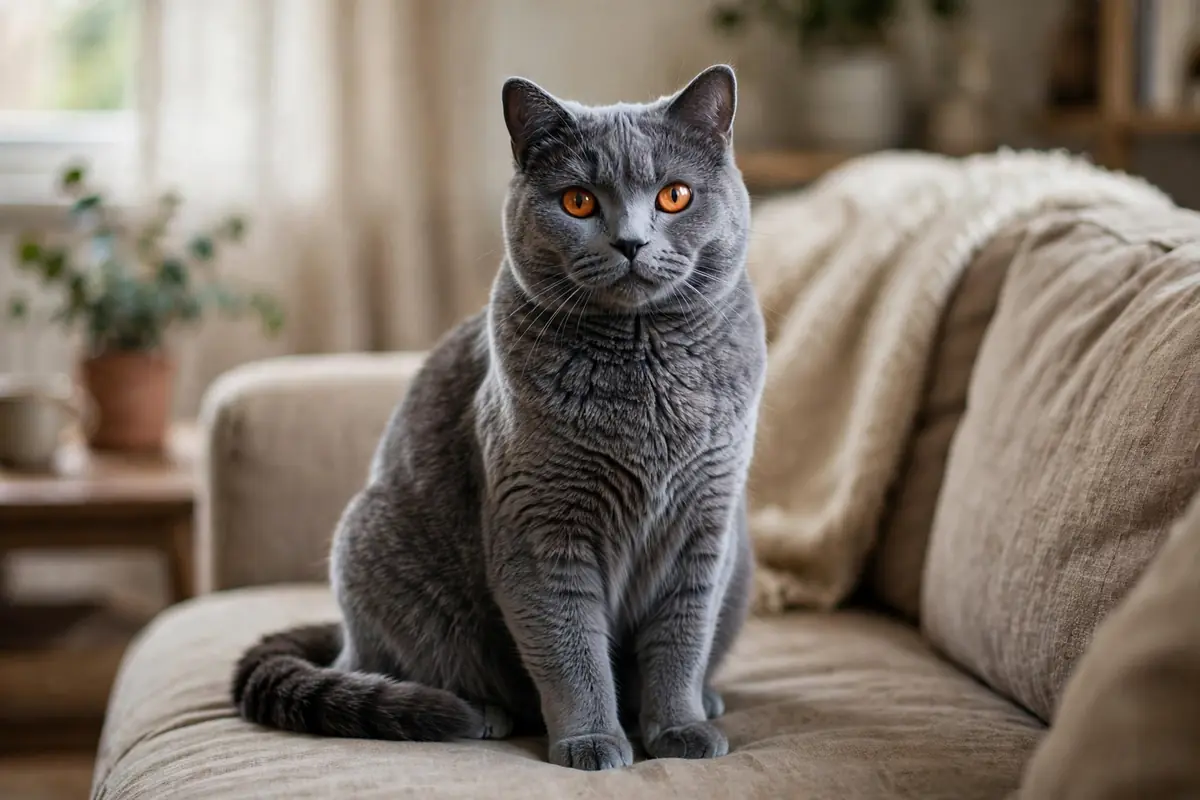
The Chartreux is a quiet, dignified French breed with a plush blue-gray coat, striking copper-orange eyes, and a reputation for dog-like loyalty. If you are looking for a calm, sturdy companion that bonds deeply with its family yet never demands the spotlight, the Chartreux may be exactly what you have been searching for. This guide covers everything a prospective owner needs to know — history, appearance, temperament, care needs, health, and how to find a kitten responsibly.
One note: the Chartreux is genuinely rare outside Europe, so expect waitlists and higher prices — but not a difficult cat. Most owners call theirs the steadiest companion they have ever had.
Chartreux Cat Overview: France's Quiet Blue Treasure
The Chartreux is one of the oldest natural breeds of Europe, with its roots firmly in France. Legend links the breed's name to Carthusian monks at La Grande Chartreuse monastery, though historians cannot confirm the story. What is well documented is that sturdy blue-gray cats of this type lived in France for centuries, valued as steady, skilled farm and shop mousers.
The breed nearly disappeared during the mid-20th century, when wartime hardship devastated cat populations across Europe. Dedicated French breeders preserved the remaining Chartreux, selecting for the classic blue coat, copper eyes, and robust build. The breed later reached North America and won recognition from major cat associations. Today it remains a cherished but uncommon breed, prized for the calm nature and loyalty that made it a beloved working cat.
Chartreux Appearance: The Woolly Blue Coat and Copper Eyes
A medium-to-large cat with a robust, muscular build — broad chest, strong shoulders, sturdy legs — with males noticeably larger than females: an athlete wrapped in velvet.
The coat is the breed's signature: a dense, woolly double coat in solid blue-gray, with a slightly lighter undercoat that gives the fur an almost otter-like texture. The topcoat feels resilient and springy rather than silky, and the undercoat stands slightly away from the body, giving the coat its distinctive fullness.
The other unmistakable feature is the eyes: round and expressive, ranging from copper to deep gold, set in a face many owners swear is smiling. The contrast between the warm copper eyes and the cool blue-gray coat — finished with blue-gray nose leather and paw pads — makes this one of the most subtly beautiful cats in the world.
Chartreux Personality and Temperament
The Chartreux is a quiet, observant breed that watches the world with calm attention rather than bouncing off the walls. Famously silent, they rarely meow — and when they do, it is usually a soft chirp or trill. If you work from home or share walls with neighbors, that quiet voice is a genuine blessing.
Where the Chartreux shines is loyalty. Owners describe the breed as dog-like in devotion: these cats follow their favorite person from room to room, greet them at the door, and settle nearby — always within sight. The affection is deep rather than showy. A Chartreux will not perform for guests, but it will quietly claim one or two family members and devote itself to them completely.
Despite the calm exterior, the Chartreux is intelligent and playful on its own terms, enjoying feather wands, crinkle toys, and short chase sessions. They are also adaptable — a schedule change or a move phases a Chartreux far less than a more sensitive breed, as long as their person comes along.
Is a Chartreux Right for You? Homes, Kids and Other Pets
The Chartreux fits many households but suits calm, structured homes best. Apartment dwellers do well with this breed — the quiet voice, moderate energy, and indoor contentment make it a natural apartment cat. Scratching posts, a sturdy cat tree by a window, and daily play are usually all it takes to keep one happy in a smaller space.
Families generally find the Chartreux a tolerant, patient companion. These cats are not easily startled and tend to withdraw gracefully rather than scratch when they have had enough — though children should still be taught to handle cats gently and respect one that walks away. Older, respectful kids and Chartreux often become devoted friends.
Multi-pet homes are usually fine. Chartreux coexist peacefully with other cats and calm, cat-savvy dogs, especially with gradual introductions over days or weeks. The one caution: their hunting instinct is real, so very small pets like hamsters or pet birds must always be kept safely separated.
Think twice if you are away for very long hours daily — this bonded breed feels the absence (a second cat and a routine help) — or if you want a chatty cat: the Chartreux loves you quietly, on its own dignified terms.
Chartreux Care: Grooming, Exercise and Diet
Grooming. The woolly double coat is lower-maintenance than it looks, but not maintenance-free. Weekly brushing with a steel comb removes loose hair and prevents matting, particularly around the neck and hindquarters; brush two or three times a week during spring and fall shedding. Because the coat is so dense, part the fur during sessions to check for mats near the skin.
Exercise and enrichment. The Chartreux has moderate energy — not a couch potato, not a marathon runner. Plan one or two interactive play sessions daily, 10 to 15 minutes each, with wand toys or anything that moves like prey. Puzzle feeders provide stimulation when you are busy; a sturdy cat tree and window perch satisfy climbing and watching instincts. Keep sessions consistent; this breed thrives on routine.
Diet. Feed a high-quality, meat-first diet appropriate for your cat's age, and measure portions rather than free-feeding — the sturdy Chartreux build can tip toward heaviness if food is always available. Ask your vet to assess body condition at checkups, since healthy muscle on a large frame is easy to mistake for extra weight. Keep fresh water available (many cats drink more from a fountain) and treats to about 10 percent of daily calories.
Chartreux Health: What Owners Should Know
Generally a hardy, robust breed — many live well into their teens — the Chartreux still needs regular veterinary care: annual checkups, core vaccinations, parasite prevention, and dental care.
One breed-associated note to discuss with your vet: the Chartreux has been reported to have some predisposition to patellar luxation (a kneecap that occasionally slips out of place) — mention any intermittent skipping or limping in a hind leg at checkups. Like all cats, they can develop urinary tract issues and dental disease, both easier to manage when caught early, and a healthy weight protects joints and overall health.
Ask the breeder about the parents' health history and screening. A reputable breeder discusses health openly, provides records, and encourages a vet visit in the first days home — establishing a baseline for spotting changes later.
Finding a Chartreux Kitten: Reputable Breeders and Rescue
Because the Chartreux is rare, finding a kitten takes patience. Start with breeder directories from major cat associations and expect waitlists — a good breeder may have only one or two litters a year. A reputable breeder welcomes questions, lets you meet the mother cat, provides health records and a written contract, and asks you plenty of questions in return.
Watch for red flags: breeders who always have kittens available, refuse visits or video calls, cannot provide veterinary records, offer no contract or health guarantee, or pressure quick decisions. Unusually low prices for a rare breed are another warning sign. Never send a deposit to a breeder you have not thoroughly vetted.
Do not overlook rescue: Chartreux mixes appear in shelters and breed-specific rescues, and an adult comes with a known personality. Your quiet blue companion might already be waiting.
Frequently Asked Questions
Are Chartreux cats good apartment cats?
Yes — they are quiet, calm, and content indoors with scratching posts, a cat tree, and regular play. Their low-noise personality suits shared walls well.
Do Chartreux cats shed a lot?
They shed moderately, more heavily in spring and fall. Weekly brushing year-round — two or three sessions a week in shedding season — keeps loose hair off furniture and prevents mats.
Are Chartreux cats good with kids and other pets?
Generally, yes. Chartreux are gentle and tolerant with respectful children and other pets, including calm dogs. Teach children to handle them gently, and introduce new pets gradually over days or weeks.
How much does a Chartreux kitten usually cost?
As a rare breed, Chartreux kittens typically cost more than average from a reputable breeder. Be cautious of unusually low prices — responsible breeding costs money. Adopting an adult Chartreux or mix from rescue is more affordable.
Do Chartreux cats meow a lot?
Rarely. The Chartreux is famous for being one of the quietest breeds — most communicate with soft chirps and body language rather than meows, which apartment neighbors appreciate.