Cymric: Complete Breed Guide
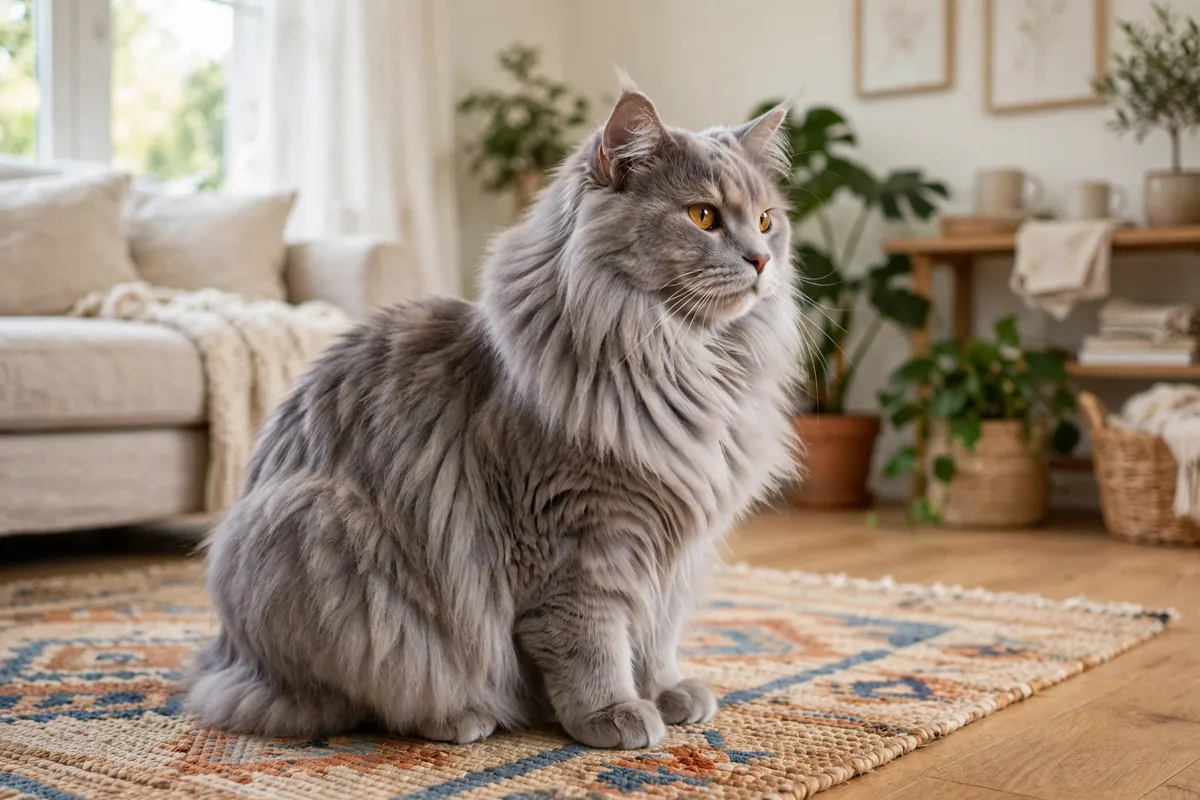
The Cymric is the longhaired version of the Manx, the famous tailless cat from the Isle of Man. With a dense, fluffy double coat, a round, rabbit-like body, and a back end that simply stops where a tail should be, the Cymric is one of the most distinctive-looking cats you can own. Behind the unusual appearance is a gentle, loyal, and playful companion.
If you want a unique, affectionate cat and are comfortable with the health considerations that come with the tailless gene, the Cymric is well worth considering. This guide covers the breed's origins, appearance, temperament, grooming needs, health, and whether it fits your home.
Cymric at a Glance
The Cymric is a medium-sized cat with a dense, medium-long double coat, a round body, and hind legs that are noticeably longer than the front legs, which gives the cat a rabbit-like hop when it runs. Most Cymrics have no tail at all, though some have a short stump or a partial tail. The coat comes in many colours and patterns, and the eyes are large, round, and expressive.
Adult Cymrics usually weigh between 4 and 6 kilograms, with a solid, muscular build. They are sturdy, well-balanced cats, and they are surprisingly agile despite their rounded shape. Most Cymrics live around 12 to 15 years with good care, and they are generally healthy cats, though the tailless gene does carry a health consideration that every owner should understand.
Origin and History: The Manx With a Long Coat
The Cymric shares its history with the Manx, which developed naturally on the Isle of Man, a small island in the Irish Sea. The tailless trait appeared as a natural genetic mutation in the island's cat population, and because the island was isolated, the trait became established. Longhaired kittens occasionally appeared in Manx litters, and breeders in Canada and the United States began developing them as a separate breed in the 1960s and 1970s.
The name Cymric comes from the Welsh word for Wales, Cymru, a nod to the breed's Celtic island origins. The breed was recognised by major cat associations in the following decades, and today it is accepted as the longhaired variety of the Manx. Its history is a reminder that some of the most distinctive breeds were shaped by geography as much as by breeders.
Appearance: Fluffy, Round, and Tailless
The Cymric's coat is dense, soft, and medium-long, with a thick undercoat that gives the cat a plush, rounded outline. The coat is longest on the neck, belly, and hindquarters, which adds to the rabbit-like appearance. Colours and patterns vary widely, from solid colours to tabby, tortoiseshell, and bicolour, and the coat is usually at its fullest in winter.
The head is round with full cheeks, a short nose, and large, round eyes. The body is compact and muscular, with a deep chest and a short back. The hind legs are longer than the front legs, which is part of the reason Cymrics move with a distinctive hopping gait. The tail, or lack of it, is the breed's most famous feature: most Cymrics are rumpies, with no tail at all, while others are stumpies, with a short stub.
Personality and Temperament: Loyal and Playful
Cymrics are loyal, affectionate, and playful cats that bond closely with their families. They are often described as dog-like in their devotion: they will follow you around the house, greet you at the door, and choose a favourite person to shadow. They are intelligent and enjoy interactive play, puzzle feeders, and games of fetch, and they stay playful well into adulthood.
They can be a little shy with strangers, but they are usually warm and gentle with their own family, including children. They are generally good with other pets, especially if introduced gradually, and they cope well with a calm, predictable household. They are not typically loud cats, and they communicate with soft chirps and trills as often as with meows.
Grooming a Dense Double Coat
The Cymric's double coat needs regular grooming: brush two to three times a week with a wide-toothed comb, working through the dense fur and paying attention to the belly, armpits, and the thick fur on the hindquarters, where mats form first. During seasonal shedding, you may need to brush daily. Regular grooming also reduces hairballs and keeps loose hair off your furniture.
Baths are rarely needed unless the coat gets dirty. Keep nails trimmed, check the ears, and brush the teeth regularly. A scratching post, a comfortable bed, and a window perch will keep your Cymric content. Because of the hind leg structure, make sure your Cymric has easy access to its litter box and food, with a low entry point and no steep jumps required.
Cymric Health and Lifespan
Cymrics are generally healthy cats with a lifespan of around 12 to 15 years, but the tailless gene does carry a health risk that every owner should know about. Manx syndrome is a spinal condition linked to the gene that causes the short spine, and it can affect the nerves, the bladder, and the bowels in some kittens. Affected kittens usually show signs early, and responsible breeders screen their lines carefully and never breed two tailless cats together, which reduces the risk.
Ask any breeder about Manx syndrome and about the health history of the parents before buying a kitten. Beyond this breed-specific concern, the usual feline health rules apply: regular vet checks, dental care, vaccinations, parasite control, and a measured diet. A Cymric that is kept at a healthy weight and given regular vet care is a robust, long-lived companion.
Is the Cymric Right for You?
The Cymric suits owners who want a loyal, affectionate, distinctive cat and are willing to brush a double coat two or three times a week. It is a good choice for families with children, for calm households, and for anyone who loves the idea of a tailless cat with a rabbit-like hop and a dog-like devotion.
It is less suited to someone who cannot commit to regular grooming, or to someone who is uncomfortable with the Manx syndrome risk and the need to choose a breeder carefully. It can also be hard to find, since the breed is uncommon. If a fluffy, loyal, one-of-a-kind companion sounds right, the Cymric is an excellent choice.
Frequently Asked Questions
Do Cymric cats have tails?
Most Cymrics are born with no tail or a very short stump, though some have a short partial tail. This is a natural genetic trait of the Manx family, and it does not usually cause the cat pain, though owners should handle the rear end gently and watch for any signs of sensitivity.
Do Cymric cats shed a lot?
Shedding is moderate to heavy, especially during seasonal changes. The dense double coat loses hair year-round, so brush two to three times a week and daily during heavy shedding. Regular grooming keeps loose hair and hairballs under control.
Are Cymric cats good with children?
Yes, Cymrics are usually excellent with children. They are patient, gentle, and playful, and they enjoy interactive games. They can be a little shy with strangers, but they bond closely with their own family, including children who treat them kindly.
Are Cymric cats prone to health problems?
They can be. Manx syndrome, a spinal condition linked to the tailless gene, can cause problems with the spine, nerves, and bladder in some kittens. Responsible breeders screen their lines and never breed two tailless cats together, which reduces the risk. Always ask a breeder about Manx syndrome before buying.
How long do Cymric cats live?
With good care, Cymrics typically live around 12 to 15 years. Regular vet check-ups, a measured diet, dental care, and an indoor lifestyle all help them reach a healthy old age.