Manx Cat: Complete Breed Guide
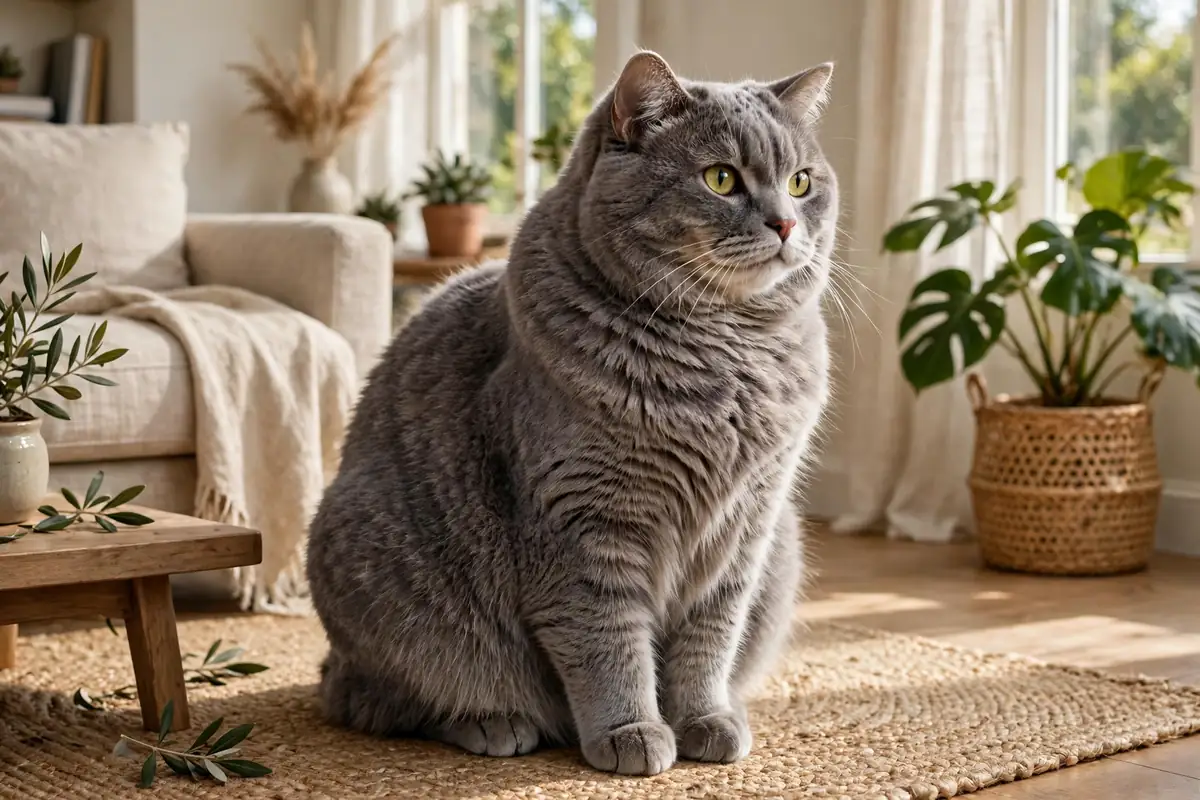
The Manx cat is one of the most instantly recognizable breeds in the world, thanks to its missing or very short tail and its rounded, rabbit-like silhouette. Originating on the Isle of Man, a small island between England and Ireland, this sturdy, affectionate breed has won fans for centuries with its loyalty, playfulness, and dog-like devotion to its people. If you are considering a Manx, this guide covers everything you need to know: what they look like, how they behave, how to care for them, and whether they fit your home.
Manx cats are medium-sized, muscular cats with a distinctive rounded appearance from every angle — round head, round eyes, round rump, and a short back that arches slightly higher at the rear. Their hind legs are noticeably longer than their front legs, which gives them a bouncy, hopping gait that owners find endlessly charming. Despite their unusual look, Manx cats are simply cats at heart: curious, clever, and deeply attached to their families.
Manx Cat Appearance: The Tailless Wonder
The first thing anyone notices about a Manx is the tail — or rather, the lack of one. The breed's taillessness comes from a naturally occurring genetic mutation that shortened the spine. Not every Manx is completely tailless, though. Breeders recognize several tail types: the "rumpy," with no tail at all and often a small dimple where the tail would be; the "rumpy riser," with a tiny bump of cartilage; the "stumpy," with a short tail of a few vertebrae; and the "longy," with a nearly full-length tail. All are Manx cats, and tail length does not change the cat's personality one bit.
Beyond the tail, the Manx has a compact, powerful body. Adults typically weigh between 8 and 12 pounds, with males larger than females. Their coat comes in two lengths: a short, dense double coat that feels plush and thick, and a longer, silky coat known as the Cymric in some registries. Manx cats appear in nearly every color and pattern, from solid black and white to tabby, tortoiseshell, and calico. Their large, round eyes — often gold, copper, or green — give them an alert, intelligent expression that matches their character.
One practical note: the Manx's rounded rear and longer back legs mean they are exceptional jumpers. Do not be surprised to find your Manx perched on top of a bookshelf or refrigerator, surveying their kingdom. Secure any fragile items on high shelves early, and give them approved climbing spots like cat trees and wall shelves so their athletic talent has a safe outlet.
Manx Cat Temperament and Personality
Manx cats are famous for being dog-like, and the description fits. They tend to pick a favorite person and follow them from room to room, greeting them at the door and settling nearby while they work or watch television. Many Manx cats learn to fetch, come when called, and even enjoy supervised walks on a harness — though every cat is an individual, so never assume harness training will suit yours.
They are also notably playful well into adulthood. A Manx will happily chase a feather wand, bat at crinkle balls, and invent games with household objects. This playfulness makes them wonderful companions for active households, but it also means they need regular interactive play to stay happy. A bored Manx may invent its own entertainment, which could involve opening cupboards or knocking items off counters. Short daily play sessions, puzzle feeders, and rotating toys go a long way toward keeping their clever minds busy.
With strangers, Manx cats are usually polite but reserved at first. They are not typically shy or fearful; they simply prefer to assess a new person before offering affection. Once they decide you are trustworthy, they are warm and demonstrative. They also tend to get along well with other cats and cat-friendly dogs, especially when introductions are made gradually. Their even temper and tolerance make them a strong choice for multi-pet homes.
Manx Cat Care Needs: Grooming, Feeding, and Exercise
Grooming a Manx is refreshingly simple. Shorthaired Manx cats need a weekly brushing to remove loose fur and keep their dense coat healthy. Longhaired Manx cats need brushing two to three times a week to prevent tangles, particularly around the neck ruff and hindquarters. All Manx cats shed moderately, with heavier shedding in spring and autumn, so a good brush and a lint roller are household essentials during those seasons.
Feeding a Manx is similar to feeding any medium-sized cat: a balanced diet of quality wet or dry food, measured portions, and fresh water at all times. Because Manx cats are muscular and active, they can be prone to weight gain if overfed, especially indoor cats. Measure meals rather than free-feeding, watch treats, and ask your veterinarian about portion sizes for your cat's age and activity level. Keeping a Manx at a healthy weight also protects their back and joints, which matters given their unique spinal structure.
Exercise comes naturally to this athletic breed, but they still benefit from structured play. Aim for at least two play sessions a day with wand toys or laser pointers, plus climbing opportunities. A tall cat tree near a window is ideal: Manx cats love to watch birds and street life from a high vantage point. Interactive puzzle feeders can also turn mealtimes into mental workouts, satisfying their intelligence as well as their appetite.
Manx Cat Health: What to Watch For
Most Manx cats live long, healthy lives of 12 to 15 years or more, but the breed does carry one important health consideration. The same gene that shortens the tail can, in some kittens, cause Manx syndrome — a range of spinal and nerve problems that can affect the bladder, bowels, and hind-leg movement. Responsible breeders avoid breeding two tailless Manx cats together, which reduces this risk, and they monitor kittens closely in the first weeks of life. If you are buying a Manx kitten, ask the breeder directly about the parents' tail types and health history, and choose a breeder who is open about both.
Beyond Manx syndrome, the breed is generally hardy, with no long list of breed-specific diseases. Like all cats, Manx cats benefit from regular veterinary checkups, vaccinations, parasite prevention, and dental care. Their dense coat can hide weight changes, so weigh your cat periodically and run your hands along their ribs — you should feel them with a light covering of fat, not see them sharply or struggle to find them.
One more health note: because Manx cats are so people-oriented, they can be sensitive to long periods alone. Extended solitude may lead to stress behaviors such as over-grooming or appetite changes. If your household is empty for long stretches, consider a second pet for company, an interactive camera feeder, or a pet sitter visit during the day.
Are Manx Cats Good for Families and Apartments?
Manx cats are an excellent fit for families. They are sturdy enough to handle respectful play with older children, patient with gentle handling, and playful enough to be a genuine playmate rather than a decoration. As with any breed, teach children to handle the cat calmly — no grabbing, no tail pulling (especially important with stumpy Manx cats, whose short tails can be sensitive), and always let the cat walk away when it wants to.
They also adapt beautifully to apartment living. Manx cats are moderately active but not hyper, and they are more interested in being near their people than in roaming. A well-equipped apartment with a scratching post, a cat tree, a sunny window perch, and daily play will suit them perfectly. They are not especially vocal — most Manx cats have a soft, trilling voice rather than a loud meow — which neighbors will appreciate. If you want a loyal, entertaining, low-drama companion in a smaller space, the Manx is hard to beat.
For first-time cat owners, the Manx is a forgiving choice: easy to groom, sociable, and adaptable. Just be prepared for a shadow. A Manx will follow you to the kitchen, the bathroom, and the bedroom, and will expect to be part of whatever you are doing. For most owners, that devotion is exactly the point. You can explore more cat breed guides here on Purrfect Paws before you decide.
Frequently Asked Questions
Are all Manx cats tailless?
No. Manx cats come in several tail lengths, from completely tailless (rumpy) to a short stump (stumpy) and a nearly full tail (longy). The tailless look is the breed's trademark, but a Manx with a tail is still a Manx.
Are Manx cats good with children?
Yes, Manx cats are generally good with children, especially older children who understand how to handle a cat gently. They are playful and tolerant, though supervision is always wise with young kids.
Do Manx cats need a lot of grooming?
Shorthaired Manx cats need only a weekly brush, while the longhaired variety (often called Cymric) needs brushing two to three times a week to prevent tangles. Both types shed moderately.
Are Manx cats healthy?
Many Manx cats live long, healthy lives, but the breed carries a risk of Manx syndrome, a spinal condition linked to the tailless gene. Responsible breeders screen for it, and buyers should ask about the parents' health history.
Can Manx cats live in apartments?
Yes. Manx cats adapt well to apartment life as long as they get daily play, a scratching post, and window views. They are active but not hyper, and they bond closely with their people rather than roaming.