Exotic Shorthair: Complete Breed Guide
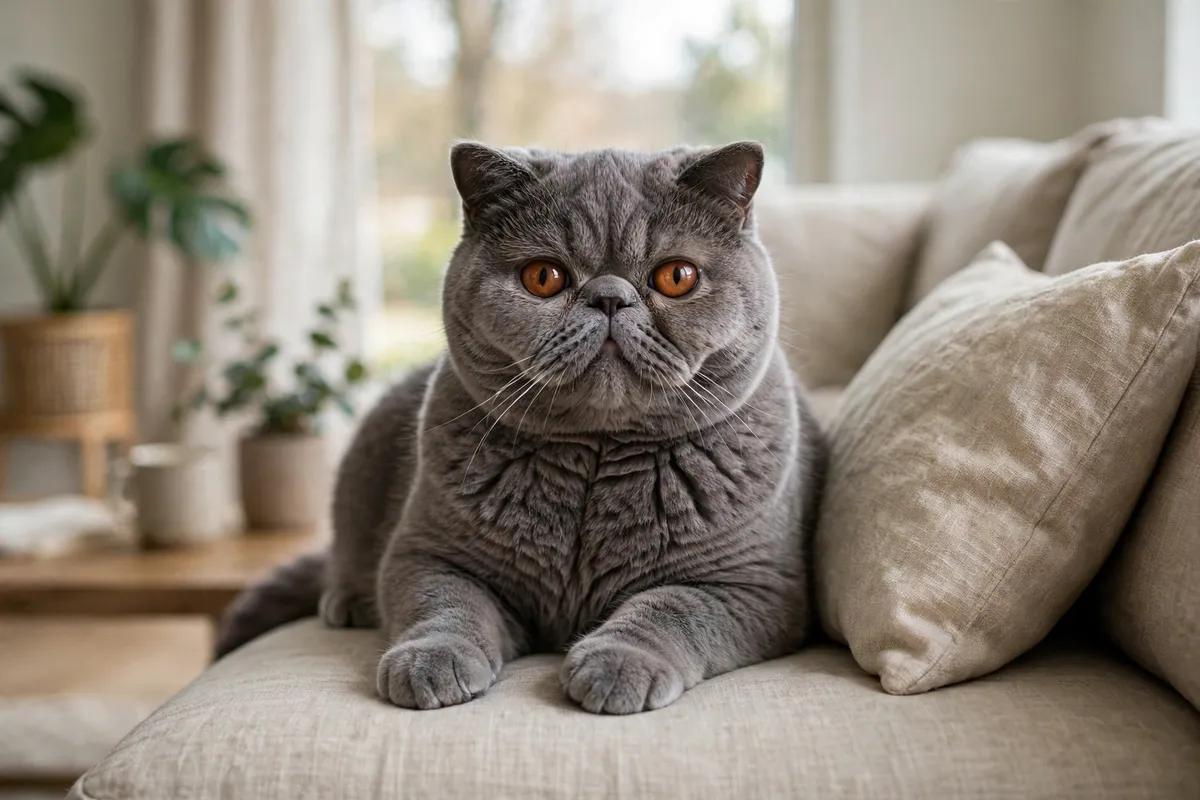
The Exotic Shorthair is often described as a Persian in a wash-and-wear coat — and that description is surprisingly accurate. Developed by crossing Persians with American Shorthairs and other shorthaired breeds, the Exotic keeps the Persian's round face, big eyes, and sweet expression, but with a short, dense, plush coat that is far easier to care for. If you love the look of a Persian but not the daily marathon grooming sessions, this breed deserves a serious look.
In short, the Exotic Shorthair is a calm, affectionate, medium-sized companion cat that thrives in quiet homes, bonds closely with its people, and asks for little more than regular attention, gentle play, and a clean face. This guide covers what the breed looks like, how it behaves, what grooming and health care it really needs, and who it suits best — so you can decide whether an Exotic is the right cat for your household.
Exotic Shorthair Appearance: A Teddy Bear in Cat Form
Exotic Shorthairs are medium to large cats with a cobby, muscular build, short legs, and a broad chest. Their most famous feature is the face: round and full-cheeked, with a short, snub nose, large round eyes, and small ears set wide apart. The overall impression is soft, sweet, and a little owl-like — which is why so many owners call them teddy-bear cats.
The coat is short but remarkably dense and plush, standing slightly away from the body rather than lying flat. Exotics come in a wide range of colors and patterns, including solid, tabby, tortoiseshell, bicolor, and pointed varieties. Males are usually a little larger than females, and most adults weigh in the medium range, with a sturdy rather than slender frame. Because they mature slowly, some Exotics do not reach their full adult look until they are around two years old.
One thing to notice early is the face shape itself. The flat, or brachycephalic, face that gives the Exotic its charm also shapes its daily care. Many Exotics tear more than other cats, and their short noses can make them snore or breathe noisily when they sleep. That is part of the breed for most owners, but it is also why choosing a responsible breeder and keeping up with vet visits matters so much.
Exotic Shorthair Temperament: Calm, Loyal, and Quietly Devoted
If you want a cat that follows you from room to room without demanding constant entertainment, the Exotic Shorthair fits beautifully. Exotics are known for being calm, gentle, and deeply loyal. They often pick a favorite person and stay close by, happy to sit beside you on the sofa or curl up nearby while you work. They are affectionate without being clingy in the way some more vocal breeds can be.
Exotics are also notably quiet. They are not silent — they will chirp, trill, and meow softly when they want something — but they rarely yowl for attention or hold long conversations the way a Siamese might. That makes them a good choice for apartments and for households where a quieter cat is appreciated. They tend to be polite with visitors too, though they may take a little time to warm up to strangers before asking for a fuss.
Playfulness is present but measured. An Exotic will happily chase a feather wand or bat a toy mouse across the floor, especially as a kitten, but most adults settle into a relaxed rhythm: a burst of play, then a long nap in a sunny spot. They are not usually the cats racing around the house at 3 a.m., which many owners count as a bonus. Puzzle feeders and short daily play sessions are usually enough to keep them happy and mentally stimulated.
Exotic Shorthair Care and Grooming: Easier Than a Persian, But Not Zero Work
The Exotic's shorter coat is its biggest practical advantage over the Persian. Where a Persian needs daily brushing to prevent mats, most Exotics do well with brushing two or three times a week using a soft brush or stainless steel comb. Regular brushing removes loose hair, reduces hairballs, and keeps that plush coat looking its best. During seasonal shedding, you may want to brush a little more often.
Face care, however, is a daily job. Because of their flat faces and prominent eyes, Exotics commonly have watery eyes and tear staining on the fur below the eyes. A gentle wipe once a day with a soft, damp cloth — or a vet-approved eye wipe — usually keeps the area clean and comfortable. While you are there, check the folds around the nose and mouth for dampness or redness, and keep the area dry.
Beyond coat and face, Exotics need the same basics as any cat: nail trims every couple of weeks, regular tooth brushing if your cat will tolerate it, and clean ears checked during grooming. They are indoor cats by preference and safety — their calm nature and flat faces make them poorly suited to roaming outdoors, and they are sensitive to extreme heat. Keep fresh water available, feed a measured diet rather than free-feeding, and give them a sturdy scratching post and a cozy bed in a quiet corner.
Exotic Shorthair Health and Lifespan: What to Watch For
Exotic Shorthairs are generally long-lived cats, often living well into their teens with good care, a healthy weight, and regular veterinary check-ups. As with any breed, they have some tendencies worth knowing about in advance, so you can spot problems early rather than being surprised by them.
The most breed-relevant issue is breathing. Their short noses can make breathing a little noisier, especially in heat, during stress, or after vigorous play, and some Exotics are more sensitive to warm weather than longer-nosed cats. Keep them cool in summer, avoid strenuous exercise in heat, and talk to your vet if breathing ever sounds labored, if your cat pants with an open mouth at rest, or if snoring suddenly worsens.
Eye and dental care also deserve attention. Watery eyes and tear staining are common and usually manageable, but persistent discharge, squinting, or redness should be checked promptly. Their short jaws can crowd teeth, so dental checks at vet visits and home tooth care when possible help prevent gum problems. Like Persians, Exotics can also be prone to kidney and heart conditions that a vet may screen for, particularly as they age, so annual or twice-yearly senior check-ups are a sensible habit.
Weight control is the other everyday health task. Exotics love food and are not the most active breed, so it is easy for them to gain weight gradually. Measure meals, limit treats, and play with them daily. A vet can help you judge a healthy body condition — you should be able to feel, but not prominently see, the ribs under a light layer of fat.
Living With an Exotic Shorthair: Is This Breed Right for You?
Exotic Shorthairs shine in calm, stable homes. They do well in apartments and smaller houses, with singles, couples, and families who want a gentle companion rather than a high-energy entertainer. They usually get along well with respectful children and with other calm pets, especially when introductions are slow and the cat always has a quiet place to retreat to.
This breed is less suited to very busy, noisy households where the cat would rarely get quiet attention, or to owners who are away for very long stretches every day. Exotics bond strongly and can become lonely or withdrawn if left alone too much. They are also not the best choice if you want a cat that will go outside on adventures or play intensely for hours — their joy is companionship, not athletics.
Before bringing one home, decide whether you are happy with the daily face wipe and the grooming routine, and whether you can commit to regular vet care for a flat-faced breed. If the answer is yes, you will likely find the Exotic one of the most rewarding cats to live with: quiet, loyal, funny in a low-key way, and content simply to be near you. Ask breeders about health screening, meet the kitten's parents if you can, and consider adoption too — Exotic mixes and retired adults sometimes appear in breed-specific rescues.
In the end, the Exotic Shorthair offers the best of both worlds for many cat lovers: the Persian's unforgettable face and sweet nature, in a coat that fits real life. With gentle care, a calm home, and regular vet attention, an Exotic can be a devoted companion for many years.
Frequently Asked Questions
Are Exotic Shorthairs good for first-time cat owners?
Yes, Exotic Shorthairs are often a good fit for first-time owners because they are calm, affectionate, and lower-maintenance to groom than Persians. They still need daily face cleaning and regular vet check-ups, so new owners should be ready for that routine.
Do Exotic Shorthairs shed a lot?
Exotic Shorthairs shed moderately. Their dense, plush coat benefits from brushing a few times a week, which removes loose hair and helps keep shedding around the house under control.
Are Exotic Shorthairs lap cats?
Most Exotic Shorthairs enjoy being close to their people and will happily sit beside you or on your lap, though they are usually less demanding than some very vocal breeds. They tend to follow their favorite person from room to room.
Do Exotic Shorthairs need special eye care?
Because of their flat faces, many Exotic Shorthairs tear more than other cats, which can stain the fur under the eyes. A gentle daily wipe with a soft, damp cloth usually keeps the area clean. Ask your vet if tearing seems excessive.
Are Exotic Shorthairs good with children and other pets?
Exotic Shorthairs are generally gentle and tolerant, and they often do well with respectful children and calm pets when introductions are gradual. As with any breed, supervise early meetings and give the cat a quiet retreat.