Japanese Bobtail: Complete Breed Guide
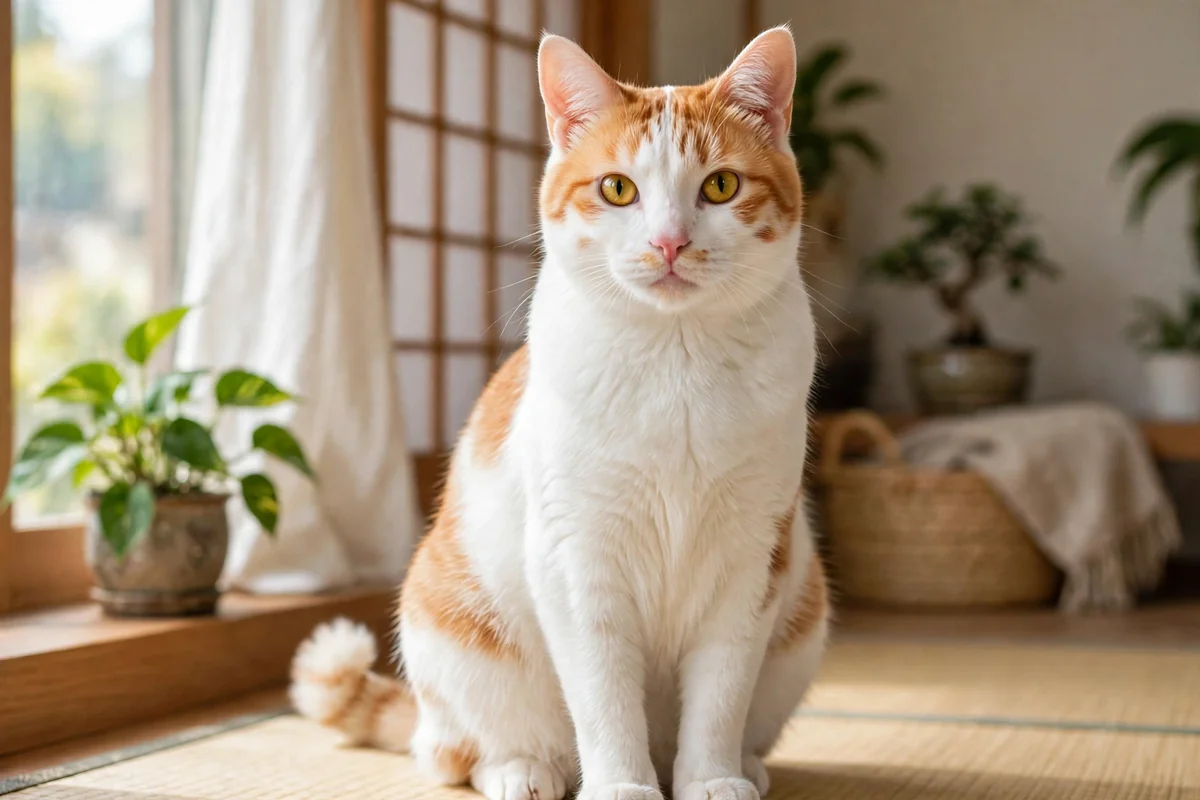
If you want a cat with a truly one-of-a-kind look and a personality to match, the Japanese Bobtail deserves a place on your shortlist. Famous for its short, pom-pom tail — no two are exactly alike — this elegant, athletic breed is also one of the most social and playful cats you can bring home. Japanese Bobtails love people, love games, and love being part of whatever their family is doing, making them a wonderful match for active households, families, and owners who want a cat that is genuinely involved in daily life.
In this complete Japanese Bobtail breed guide, we cover the breed's history in Japan, its signature tail, its active and affectionate temperament, grooming in both short and long coat varieties, general care, and who the breed suits best. You can also explore more profiles on our Cat Breeds page.
Japanese Bobtail History: A Cat of Japan
The Japanese Bobtail has been part of Japanese life for centuries. Short-tailed cats appear in ancient Japanese art and folklore, and they were long kept as working cats, guarding silk farms and temples against rodents. According to tradition, the bobtail's short tail was seen as a sign of good fortune — a belief reflected in the maneki-neko, the famous "beckoning cat" figurine found in shops and homes across Japan, which is modeled on a Japanese Bobtail with one paw raised.
For centuries the breed remained almost entirely within Japan. That changed in the late 1960s, when the first Japanese Bobtails were brought to the United States by a breeder who had fallen in love with them while living in Japan. From those early imports, breeders built a North American population, and the breed gained formal recognition in the 1970s. Today the breed remains relatively uncommon outside Japan, which is part of its appeal.
The Signature Pom-Pom Tail
The Japanese Bobtail's tail is its defining feature, and it is completely natural — never docked. Caused by a recessive genetic trait, the tail is short, typically only a few inches long, and curves or kinks in a way that gives it the look of a fluffy pom-pom. Each tail is unique: some curl tightly, some bend at an angle, and some are more loosely curved, so your Bobtail's tail is quite literally one of a kind.
Because the tail is natural, handle it gently — its bones and joints are delicate, as in any cat — but it needs no special care. It is simply there, wagging and twitching with the cat's mood, and many owners say their Bobtail's tail seems to express its personality: held high when excited, flicking during play, and tucked close when relaxed.
Japanese Bobtail Appearance
Beyond the tail, the Japanese Bobtail is a slender, elegant cat with a surprisingly athletic build. The body is medium-sized and well-muscled, with long legs — the hind legs noticeably longer than the front legs — giving the breed a distinctive, slightly raised rear stance. Most adults weigh between 6 and 10 pounds, with males typically a little larger than females.
The head is triangular with high cheekbones, large oval eyes, and tall, upright ears that give an alert, curious expression. The classic and most beloved color is mi-ke (pronounced "mee-kay"), a pattern of white with patches of red and black that is considered especially lucky in Japan — but Japanese Bobtails come in many colors and patterns, including solid, bi-color, and tabby. The coat comes in two varieties: short and long. The short coat is soft, silky, and lies close to the body, while the long coat is medium-length with a soft ruff around the neck and britches on the hind legs.
Japanese Bobtail Temperament: Active, Social, and Talkative
Temperament is where the Japanese Bobtail truly shines. These are outgoing, people-loving cats that want to be involved in everything. A Bobtail will greet you at the door, follow you around the house, ride on your shoulder, and happily join in family activities. They are famously playful and stay kitten-like well into adulthood, loving games of fetch, puzzle toys, and interactive wand play.
Japanese Bobtails are also famously talkative, but in a charming way — they chirp, trill, and carry on soft, melodic conversations with their people rather than yowling demands. Many owners describe them as almost dog-like in their loyalty and their love of interaction. One honest note: a Bobtail that is bored or left alone for very long stretches may become restless or mischievous. They do best in homes where someone is around much of the day, or where they have another friendly pet for company, and they thrive on daily interactive play.
Japanese Bobtail Grooming and General Care
One of the Bobtail's best selling points is its easy-care coat. Japanese Bobtails have little to no undercoat, which means shedding is light to moderate and mats are rare. A weekly brush with a soft brush or grooming mitt is usually enough for both the short and long coat varieties, though the long coat may benefit from a twice-weekly brush during shedding season.
- Weekly brushing: Removes loose hair and keeps the coat soft and glossy. Long-coated Bobtails may need an extra session during heavy shedding.
- Nails and teeth: Trim nails every couple of weeks, and brush teeth several times a week with a cat-safe toothpaste.
- Play and enrichment: Daily interactive play is essential — wand toys, puzzle feeders, climbing trees, and window perches keep an active Bobtail happy.
- Routine vet care: Annual checkups, vaccinations, and parasite prevention keep your Bobtail healthy; seniors benefit from twice-yearly visits.
Feeding is straightforward: a high-quality, meat-based diet suited to your cat's age and activity level, with measured portions to prevent weight gain. Bobtails are active cats, but like any breed, they can gain weight if food is left out all day. Fresh water should always be available. If you are ever unsure about portions or notice changes in appetite, energy, or litter box habits, your veterinarian is the best person to ask.
Japanese Bobtail Health and Lifespan
Japanese Bobtails are generally healthy cats with a reputation for hardiness, and many live into their mid-teens with good care. Because the breed developed naturally over centuries rather than through intensive selective breeding, it has a relatively diverse gene pool, and there are no widespread breed-specific diseases strongly associated with it. That said, no breed is immune to health problems, and Bobtails can still develop common feline conditions such as dental disease, kidney issues in old age, and obesity if overfed.
The most effective health steps are the simple ones: keep your Bobtail indoors or in a safe enclosed outdoor space, maintain a healthy weight, attend regular veterinary checkups, and watch for changes in appetite, thirst, energy, grooming, or litter box habits. Any sudden change deserves a prompt call to your veterinarian, whatever the breed. If you buy a kitten, choose a breeder who raises kittens indoors until at least 12 weeks; also consider breed-specific rescues.
Is a Japanese Bobtail Right for You?
Choose a Japanese Bobtail if you want an active, social, talkative cat that will be a true member of the family, and if you can offer daily play, attention, and interaction. The breed suits families with children, couples, and singles who spend plenty of time at home, and it adapts well to apartments as long as enrichment and play are part of the daily routine. If you love a cat with a story, a unique look, and a big personality, the Bobtail delivers on all three.
Think twice if you want a quiet, independent cat that is content to be left alone, or if your household is empty for very long hours every day. A Bobtail that does not get enough interaction may become bored and vocal about it. But for owners who want a playful, affectionate companion that greets them at the door, chats through the day, and turns every game into an event, the Japanese Bobtail is hard to beat — a little cat with a pom-pom tail and a very big heart. For more breed guides, start at the Purrfect Paws homepage.
Frequently Asked Questions
Are Japanese Bobtails good with children?
Many Japanese Bobtails do very well with children. They are playful, social, and tolerant, and they often enjoy interactive games. As with any cat, children should be taught to handle the cat gently and give it space when it wants to rest.
Do Japanese Bobtails shed a lot?
No, shedding is generally light to moderate. Japanese Bobtails have little to no undercoat, so their coats shed less than many other breeds. A weekly brush is usually enough to keep loose hair under control.
Are Japanese Bobtails very vocal?
Yes, they are known for being talkative. Japanese Bobtails often chirp, trill, and carry on soft conversations with their people, and many owners find their voices melodic and pleasant rather than demanding.
Can a Japanese Bobtail live in an apartment?
Yes, provided they get daily play and enrichment. Japanese Bobtails are active and curious, so apartment life works well when they have climbing furniture, interactive toys, and regular play sessions with their people.
Is the Japanese Bobtail's short tail natural?
Yes. The short, pom-pom tail is a natural trait of the breed, caused by a genetic mutation, and it is not the result of docking. No two Bobtail tails are exactly alike — each one has its own unique shape and curl.