Kitten Teething Timeline: What to Expect
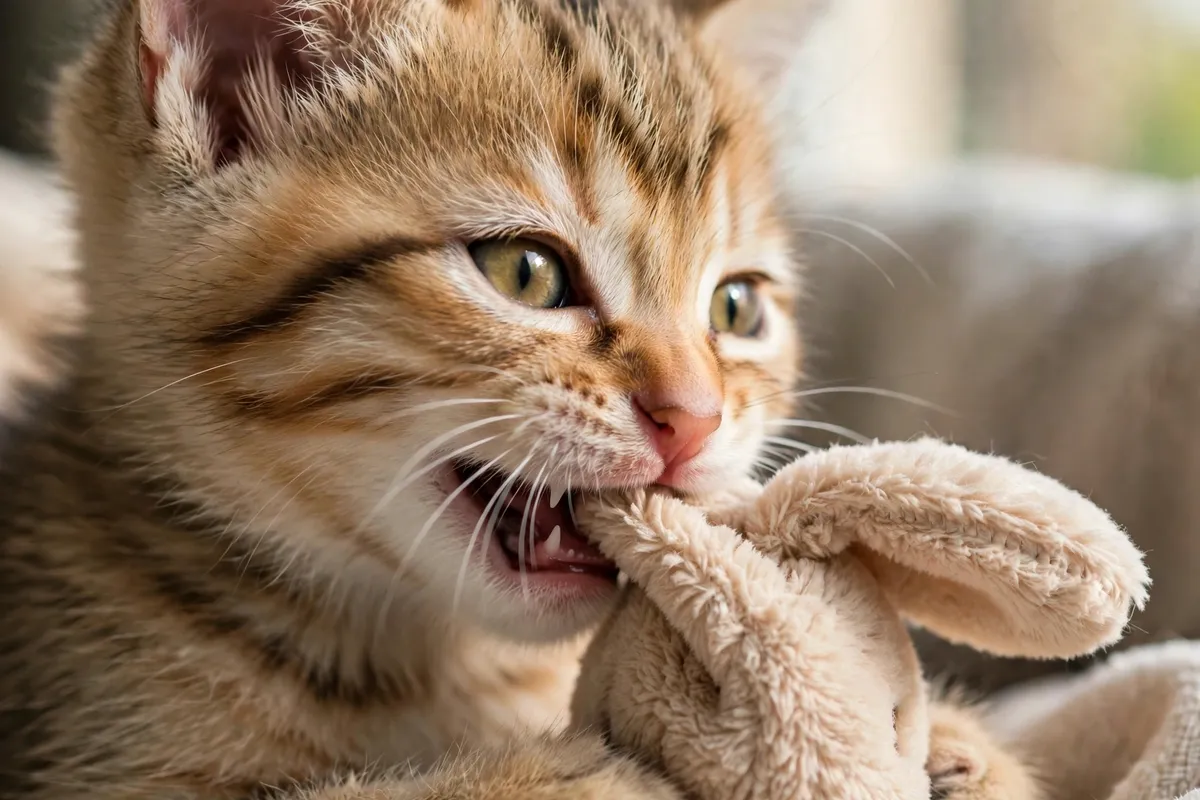
Yes — kittens lose their baby teeth just like human children do, on a surprisingly predictable schedule. Born toothless, kittens get 26 needle-sharp baby teeth between 2 and 8 weeks; those start falling out around 3 to 4 months as 30 adult teeth push through. By about 6 months, most kittens have their full adult set and teething is finished.
Knowing what is happening in your kitten's mouth — and when — helps you tell normal teething fussiness apart from real dental problems. This guide covers the full timeline from birth to six months, the signs to watch for, safe ways to soothe sore gums, and the red flags that mean calling your vet. Find more newborn-to-adult help in our care guides and across Purrfect Paws.
Do Kittens Really Lose Their Baby Teeth?
They do. Like human babies, kittens get two sets: temporary deciduous (baby) teeth and permanent adult teeth. The baby teeth are thin, almost translucent, and needle-sharp — anyone "play bitten" by a four-week-old kitten knows exactly how sharp.
Here is the surprise: you will probably never find most of those baby teeth. They are tiny — often no bigger than a grain of rice — and kittens typically swallow them harmlessly. Finding one on the carpet is a fun keepsake, not a milestone you need to witness.
The adult teeth are thicker and stronger, built for a lifetime of crunching kibble. A full-grown cat has 30 permanent teeth: 16 on top, 14 on the bottom. Knowing when each set arrives — and leaves — is the key to the whole timeline.
The Complete Kitten Teething Timeline
Birth to 2 Weeks: No Teeth Yet
Kittens are born completely toothless, eyes and ears sealed shut. For the first two weeks, a kitten's world is milk, warmth, and sleep — just keep the mother cat well-fed and the nesting area warm and quiet.
2 to 8 Weeks: Baby Teeth Arrive
This is when the first set comes in, roughly in this order:
- 2–4 weeks: the tiny front incisors appear.
- 3–4 weeks: the sharp little canines (fangs) poke through.
- 4–6 weeks: the premolars arrive along the sides.
- Around 8 weeks: the full set of 26 baby teeth is in place.
Vets can roughly estimate a young kitten's age by which teeth have erupted — handy if your adopted kitten's birthday is a mystery. By eight weeks, most kittens are also nibbling solid food alongside nursing.
3 to 4 Months: Adult Teeth Start Pushing Through
Now the second round begins: adult teeth develop underneath the baby teeth and gradually push them out, incisors first. This is when most owners notice the classic teething behaviors — chewing everything, extra drooling, occasional grumpiness. You might even spot a tiny lost tooth, or catch your kitten's charming gap-toothed grin.
4 to 6 Months: The Full Adult Set
The adult canines and premolars follow, then the molars at the back. (Molars have no baby-tooth predecessors — they erupt directly as adult teeth.) By about six months, your kitten should have all 30 adult teeth and teething is officially over — which is why many vets check the bite and tooth count at the typical spay/neuter visit.
7 Signs Your Kitten Is Teething
Teething kittens are rarely subtle about it. Watch for these classic signs:
- Chewing everything. Fingers, shoelaces, chargers, the corner of the rug — a teething kitten gnaws on anything. Chewing massages sore gums and loosens wobbly baby teeth.
- More drooling than usual. Teething stimulates saliva, so a little extra drool or damp nap spots are normal.
- Tiny spots of blood. You might notice a pinprick of blood on a chew toy or in the water bowl when a tooth comes out. Small amounts are normal.
- Crankiness. A normally cuddly kitten may get irritable or squirmy. Sore gums make everything feel worse — the same way a teething human baby gets fussy.
- Pawing or rubbing at the mouth. Some kittens bat at their own face or rub their muzzle against furniture trying to relieve the itchy, achy feeling.
- Slightly off their food. Crunchy kibble can hurt tender gums. A teething kitten may eat less dry food, eat more slowly, or suddenly prefer wet food.
- You find a tiny tooth. The jackpot. Most teeth get swallowed, so finding one is pure luck — and a great photo opportunity.
All of these are mild and temporary. If symptoms seem severe or linger well past six months, check the red flags section below.
How to Soothe a Teething Kitten Safely
You cannot speed up teething, but you can make it much more comfortable:
- Offer soft chew toys. Choose rubber or soft-plastic toys sized for kittens — firm enough to gnaw, soft enough not to crack a tooth — and rotate a few to keep them interesting.
- Try a chilled (not frozen) toy. Pop a rubber toy or a damp washcloth in the fridge for 20–30 minutes. The coolness numbs sore gums pleasantly. Avoid anything frozen solid, which can be too harsh on delicate gum tissue.
- Serve softer food. If kibble seems painful, offer wet food or soak the kibble in warm water for a few minutes to soften it. Keep fresh water available either way.
- Redirect with play. Two or three short wand-toy sessions a day burn off the chew-everything energy and teach your kitten that toys — not hands — are for biting.
- Kitten-proof the danger zones. Tuck away electrical cords, hair ties, rubber bands, and anything small enough to swallow. A teething kitten explores the world mouth-first.
Patience matters most. Teething is short-lived, and a kitten who learns that chewing the right things earns praise carries that habit into adulthood.
What NOT to Do During Teething
Good intentions can backfire, so steer clear of these common mistakes:
- No human teething gels or painkillers. Many contain xylitol, benzocaine, or other ingredients that are toxic to cats. Never give a kitten any medication made for humans.
- No ice cubes or frozen-solid items. Extreme cold can damage gum tissue and even crack a fragile baby tooth. Chilled is soothing; frozen is too much.
- Do not let them chew your hands. It is cute at eight weeks and painful at eight months. Every time teeth touch skin, calmly swap in a toy instead.
- Do not pull a loose tooth yourself. Let nature take its course. Yanking a tooth that is not ready can cause pain, bleeding, or infection.
- Do not punish chewing. Your kitten is not being naughty — their mouth hurts. Redirect to an appropriate toy instead of scolding.
Red Flags: When Teething Needs a Vet Visit
Most teething sails by without incident, but call your veterinarian if you notice any of the following:
- Retained baby teeth. If a baby tooth still sits next to its adult replacement after 6 months — the classic "double tooth" — it usually needs professional removal, since retained teeth trap bacteria and can push adult teeth out of alignment.
- A broken, discolored, or missing adult tooth (other than a naturally lost baby tooth).
- Refusing food for more than 24 hours. Appetite loss can become a medical issue in cats quickly.
- Heavy or persistent bleeding from the mouth, or blood pooling in the food bowl.
- Swollen gums, facial swelling, or a foul odor coming from the mouth.
- A visibly misaligned jaw or difficulty closing the mouth.
Peeking inside your kitten's mouth weekly during teething is a great habit — it gets them used to mouth handling and lets you catch problems early.
Frequently Asked Questions
At what age do kittens start teething?
Baby teeth erupt between 2 and 8 weeks of age. The second round — losing baby teeth as the adult teeth push through — starts around 3 to 4 months and finishes by about 6 months.
Do kittens swallow their baby teeth? Is that dangerous?
Most kittens swallow at least some of their tiny baby teeth, and it is completely harmless. Finding a tooth on the floor is a fun bonus, not a requirement.
Is drooling or a little bleeding normal during teething?
A small amount of drool and the occasional tiny spot of blood on a chew toy are normal. Heavy drooling, bleeding that will not stop, or blood in the food bowl are not — call your vet.
Can I give my kitten anything for teething pain?
Stick to safe physical relief: soft chew toys, a chilled (not frozen) toy, and soft food. Never give human painkillers, teething gels, or essential oils — many are toxic to cats.
When should my kitten be done teething?
By about 6 months of age, with all 30 adult teeth in place. If you still see baby teeth sitting alongside adult teeth after 6 months, ask your vet about retained baby teeth at the next visit.