Pixie-Bob: Complete Breed Guide
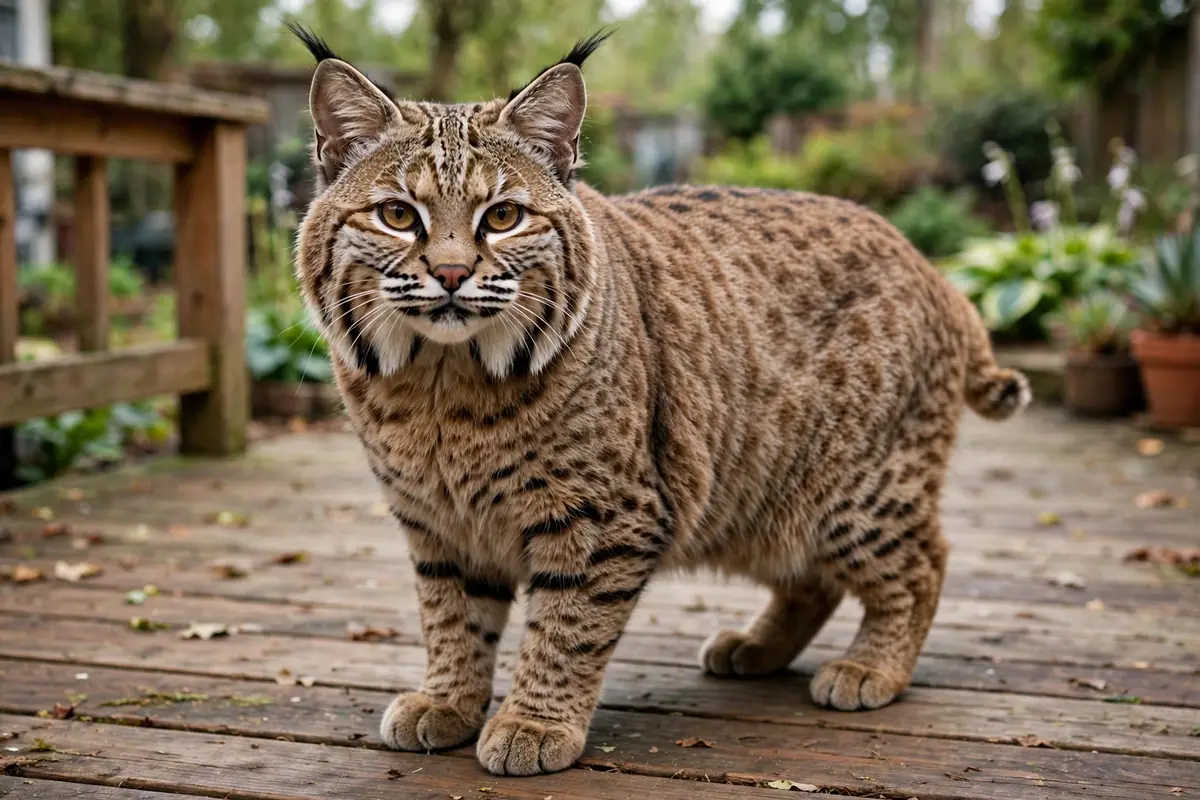
With its spotted coat, short bobbed tail, and wild, tufted face, the Pixie-Bob looks like a miniature bobcat that wandered in from the forest. Look closer, though, and the resemblance is mostly in the looks: this breed is famously gentle, loyal, and dog-like, following its owners around the house, learning to walk on a leash, and greeting visitors at the door. Many Pixie-Bobs even chirp and trill instead of meowing, a voice that surprises first-time owners.
The breed was developed in the Pacific Northwest of the United States in the 1980s, and it remains relatively uncommon, which makes it a special find. If you want a big, sturdy, affectionate cat with a wild appearance and a soft heart, the Pixie-Bob deserves a look. This guide covers its origins, appearance, temperament, grooming, and health.
Pixie-Bob at a Glance
The Pixie-Bob is a large, muscular cat, usually weighing between 4 and 8 kilograms, with males noticeably bigger than females. Its coat is a spotted or mackerel tabby in shades of brown, often with a reddish tint, and it can be short or medium-long. The tail is naturally short, just a few centimeters long, and the ears often carry lynx-like tufts.
Pixie-Bobs are calm, confident, and deeply loyal. They bond strongly to their families, enjoy children, and often behave more like dogs than cats, playing fetch and walking on a leash. They typically live 13 to 15 years and stay steady and affectionate throughout their lives.
Origin and History: A Pacific Northwest Legend
The Pixie-Bob's story begins in the 1980s in Washington State, where breeder Carol Ann Brewer acquired a polydactyl kitten with a spotted coat and a short tail, said to be the offspring of a bobcat and a domestic cat. She named the kitten Pixie and began a breeding program to reproduce its look, using barn cats and other domestic cats with similar traits.
DNA testing later showed that Pixie-Bobs are fully domestic cats with no bobcat ancestry, but the wild look stayed. The breed was recognized by cat associations in the 1990s, and breeders have worked since then to fix its distinctive features: the spotted coat, the bobbed tail, and the gentle, dog-like temperament.
Appearance: Bobcat Looks, House Cat Heart
The Pixie-Bob's wild appearance comes from several features at once. The coat is a warm brown tabby, heavily spotted or marbled, with a lighter belly and a slightly shaggy texture. The face is broad with a heavy brow that gives a serious, wild expression, and the ears often have small tufts at the tips. The tail is naturally short, and the hind legs are slightly longer than the front legs, giving a loping, powerful walk.
Many Pixie-Bobs are polydactyl, meaning they have extra toes, usually on the front paws, which can give their paws a wide, mitten-like look. Polydactyly is harmless and is considered part of the breed's charm, though not every Pixie-Bob has it. The overall effect is a cat that looks like it belongs in the woods, even when it is asleep on your sofa.
Personality and Temperament: A Loyal Shadow
Pixie-Bobs are among the most dog-like of all cat breeds. They follow their owners from room to room, greet them at the door, learn to walk on a leash, and play fetch with enthusiasm. They are also famously quiet in one way and noisy in another: they rarely meow, but they chirp, trill, and chatter, especially when they see birds through a window.
They are gentle and patient with children and generally tolerant of other pets, including dogs. Unlike some active breeds, they are not hyperactive or demanding; they are content to be near you, watching the world go by. That calm loyalty makes them an excellent family cat and a good choice for first-time owners who want a big, friendly companion.
Grooming a Shaggy Tabby Coat
Grooming a Pixie-Bob is straightforward. The shorthaired variety needs only a weekly brush to remove loose hair and keep the coat healthy. The longhaired variety needs brushing two or three times a week to prevent tangles, especially around the belly and hind legs, where the coat is thicker.
Pixie-Bobs shed moderately, with a heavier shed in spring. Regular brushing keeps the shedding under control and gives you a chance to check the skin and the extra toes of polydactyl cats, where dirt can collect between the toes. Keep the claws trimmed and the ears checked, and the rest of the routine is the same as for any cat.
Pixie-Bob Health and Lifespan
Pixie-Bobs typically live 13 to 15 years and are generally a healthy breed, partly because they were developed from a broad base of domestic cats. There are no major breed-specific diseases, though some lines can be prone to the same common cat conditions as any breed, including dental disease and weight gain if overfed.
Because they are a large breed, it is worth watching their weight and keeping them active with play, climbing, and interactive toys. Choose a breeder who health-screens their cats, keep up with vaccinations and annual vet visits, and your Pixie-Bob has an excellent chance of a long, healthy life.
Is the Pixie-Bob Right for You?
The Pixie-Bob is right for you if you want a big, gentle, loyal cat with a wild look and a soft heart. You will get a devoted companion that follows you around, plays fetch, chirps at birds, and settles calmly beside you in the evening. It is a great choice for families, for first-time owners, and for anyone who likes the idea of a dog-like cat.
It is not right for you if you want a small, dainty lap cat, or if you are rarely home. Pixie-Bobs are large, active cats that need space, play, and company, and they thrive on being part of the family. Give them that, and you will have a friend for life.
Frequently Asked Questions
Are Pixie-Bobs really part bobcat?
No. Despite the wild look and the original breeder's claim, DNA testing has confirmed that Pixie-Bobs are fully domestic cats. The bobcat appearance comes from selective breeding of domestic cats with spotted coats, short tails, and tufted ears, not from wild ancestry.
Do Pixie-Bobs have extra toes?
Many do, but not all. Polydactyly, having extra toes, is common in the breed, especially on the front paws, and it is considered a charming breed trait. The extra toes are harmless, though you should check between them during grooming, as dirt can collect there.
Can Pixie-Bobs walk on a leash?
Yes, many Pixie-Bobs take to leash walking very well, thanks to their dog-like temperament and confidence. Start with a well-fitting harness indoors, use treats and short sessions, and never force a cat that is frightened. A calm, confident Pixie-Bob often enjoys supervised outdoor walks.
How much does a Pixie-Bob kitten cost?
From a reputable breeder, a Pixie-Bob kitten usually costs between $800 and $1,800, depending on pedigree, coat type, and location. Because the breed is uncommon, you may need to join a waiting list, and always verify the breeder's health screening before paying a deposit.
Are Pixie-Bobs good with children?
Yes, Pixie-Bobs are known for being patient and gentle with children, which is one reason they are popular family cats. Their calm temperament and sturdy build suit households with respectful older children, and as with any pet, children should be taught to handle cats gently.