American Bobtail: Complete Breed Guide
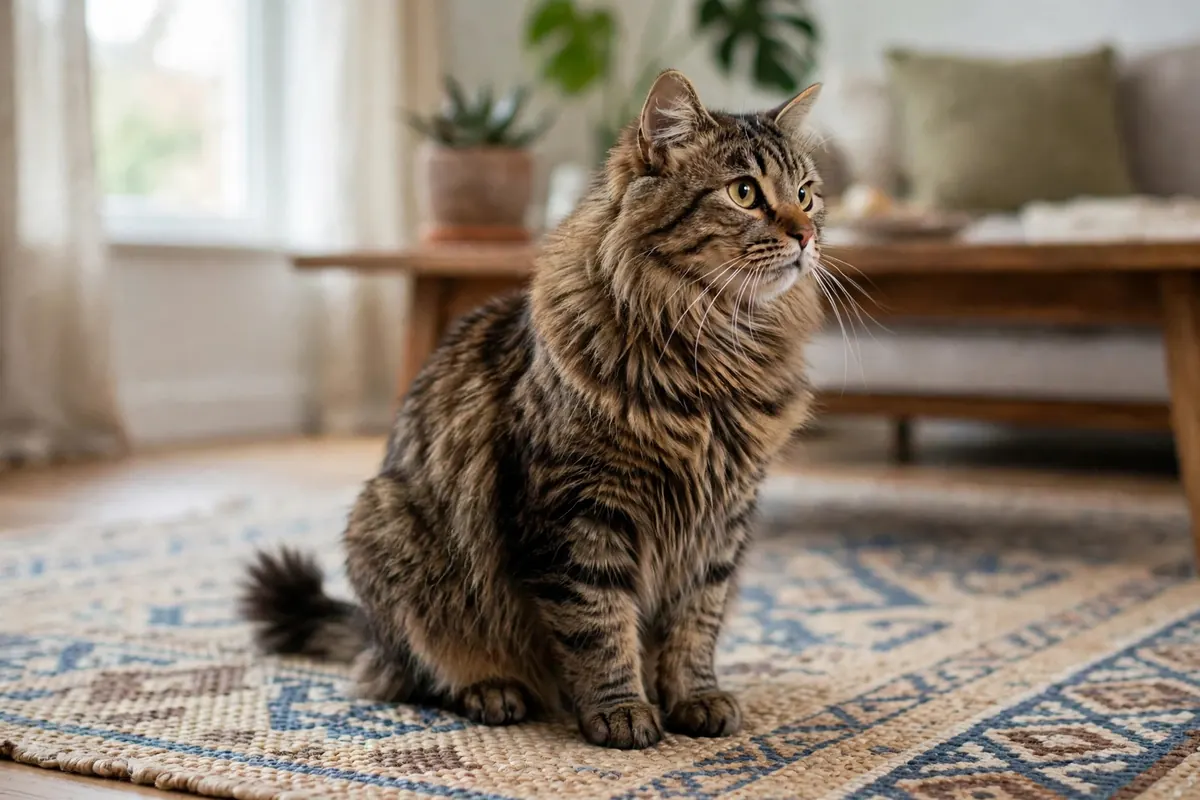
The American Bobtail looks like a cat that wandered in from the wild — a medium to large, muscular cat with a short, expressive bobbed tail, a shaggy coat, and an alert, intelligent gaze. But behind that rugged, almost lynx-like look is one of the most loyal and people-loving cats you can bring home. American Bobtails are famously dog-like: they greet you at the door, follow you from room to room, learn to walk on a leash, and many will happily play fetch.
If you want a cat with a wild look and a devoted, easygoing heart, the Bobtail is hard to beat. This guide covers the breed's history, the genetics behind that short tail, what the breed looks and acts like, and how to care for one — including whether this active, social cat fits your home.
American Bobtail at a Glance
- Size: medium to large — typically 7 to 16 pounds, with males often noticeably bigger than females.
- Build: muscular and athletic, with a broad chest, strong legs, and a wild, alert expression.
- Tail: naturally short — usually one to four inches long, straight, curved, or slightly kinked, and always expressive.
- Coat: shaggy and weather-resistant, in medium-long or short lengths, in almost any color or pattern.
- Lifespan: typically 11 to 15 years with good care.
- Personality: loyal, social, playful, and famously dog-like.
- Good with: children, other cats, and cat-friendly dogs.
- Grooming: moderate — weekly brushing is usually plenty.
Origin and History: A Barn Cat With a Wild Story
The American Bobtail's story begins in the late 1960s, when a couple traveling through Arizona found a brown tabby kitten with a short, stubby tail at a motel. The kitten, later named Yodie, was said to have been left behind by a bobcat — a story that has never been proven and is almost certainly a tall tale, but it stuck. Yodie was taken home and crossed with the family's seal-point Siamese, and some of the kittens inherited his short tail and sturdy, wild look.
Breeders in the 1970s and 1980s refined the breed by selecting for the short tail, the muscular build, and the gentle, people-loving temperament, while keeping the look natural rather than exaggerated. The result is a breed that looks untamed but behaves like a devoted companion. Unlike the Manx, whose taillessness comes from a different gene, the Bobtail's short tail is the result of a naturally occurring dominant gene — and because the gene is dominant, Bobtails are usually outcrossed to domestic cats to keep the gene pool healthy.
Appearance: The Wild Look, Tail Included
The American Bobtail is built like a small wild cat. A broad, deep chest, powerful shoulders, and strong hind legs give the breed an athletic, ready-to-pounce stance, and the head is broad with a wide muzzle, full cheeks, and almond-shaped eyes that lend an alert, intelligent expression. The coat is shaggy and slightly coarse, with a dense undercoat — it looks a little tousled, as if the cat has just come in from the woods, and that slightly unkempt look is part of the charm.
The tail is the breed's signature. No two Bobtail tails are exactly alike: some are short and straight, some curve gently, and some have a slight kink. A Bobtail's tail is usually between one and four inches long, and the cat uses it expressively, just as other cats use a full-length tail. Tabby patterns are the most common, but Bobtails come in almost every color and pattern, in both medium-long and short coats.
Personality and Temperament: Dog-Like Loyalty in a Cat
If you want a cat that acts like a dog, the American Bobtail is one of the best choices. Bobtails bond deeply with their people and like to be where the action is:
- Devoted and loyal. They greet their owners at the door, follow them from room to room, and often choose one person as their favorite — though they are friendly with the whole household.
- Playful and clever. Many Bobtails learn to play fetch, walk on a leash, and solve puzzle feeders. They enjoy interactive play and get bored without it.
- Social with other animals. Bobtails usually accept other cats and cat-friendly dogs, and they are often recommended for homes that already have a dog.
- Gentle with children. Sturdy and tolerant, they suit families with respectful kids — always supervise young children and teach gentle handling.
- Talkative in their own way. They chirp, trill, and chatter more than they meow, and they will happily hold a conversation with you.
One honest note: Bobtails do not like being left alone for long stretches. A cat that is ignored can become bored and destructive, so this is not the breed for a household that is empty all day, every day.
Grooming and Care for the Bobtail Coat
Despite the shaggy look, Bobtail grooming is straightforward. Brush once or twice a week with a slicker brush or a stainless steel comb to remove loose hair and prevent tangles, and brush more often during the spring and fall shedding seasons, when the coat changes over. The medium-long coat is more prone to tangles than the short coat, so check behind the ears and under the legs, where mats form first.
Baths are rarely needed — most Bobtails keep themselves clean — but an occasional bath during heavy shedding can help. Trim nails every two to three weeks, check ears for buildup, and keep up with dental care from an early age. Bobtails are active cats, so give them a tall scratching post, a window perch, and daily interactive play of 15 to 20 minutes. Puzzle feeders are a great fit for this clever breed, and many Bobtails enjoy a secure outdoor enclosure or supervised leash walks.
American Bobtail Health and Lifespan
American Bobtails are generally healthy cats with a typical lifespan of 11 to 15 years, but like every breed they have a few things worth watching. Their hearty appetite and muscular build can hide weight gain, so feed measured meals and weigh your cat regularly — a Bobtail that puts on extra pounds can be hard to slim down again.
The short tail itself is usually not a health problem, but kittens with very short tails or kinked tails should be checked by a vet, and responsible breeders avoid breeding two short-tailed cats together, since that can increase the risk of spinal problems in kittens. Regular vet checkups — once a year for adults, twice a year for seniors — track weight trends and catch small problems early. Keep vaccinations current and maintain parasite prevention as your vet advises. Individual cats vary, so treat these as awareness points to discuss with your vet, not predictions.
Is the American Bobtail Right for You?
The American Bobtail suits active households that want a social, engaging cat. They thrive in homes with children, other pets, and people who are around most of the day, and they do well with first-time owners who are willing to play with them daily. Apartments work fine as long as the cat gets enough play and enrichment — a bored Bobtail will invent its own entertainment, usually at the expense of your curtains.
Think twice if you are away from home for long hours every day, or if you want a quiet, independent cat that keeps to itself. Bobtails are companions first and ornaments second. If the breed appeals to you, check shelters and breed-specific rescues first — Bobtail-type cats with the short tail and loyal temperament turn up in rescue more often than you might expect. If you choose a breeder, look for home-raised kittens, health-screened parents, veterinary records, and a written health guarantee, and run through our adopting a cat checklist before bring-home day.
Frequently Asked Questions
Are American Bobtails good with dogs?
Generally, yes — American Bobtails are one of the most dog-friendly cat breeds. Their social, confident nature means they usually accept a cat-friendly dog, especially with gradual introductions. Many Bobtails even play and nap alongside the family dog.
Why do American Bobtails have short tails?
The short tail comes from a naturally occurring dominant gene that shortens the tail, and no two Bobtail tails are exactly alike — they can be straight, curved, or slightly kinked. It is a different gene from the one behind the Manx's taillessness, and responsible breeders avoid breeding two short-tailed cats together to reduce the risk of spinal problems in kittens.
Do American Bobtails shed a lot?
They shed moderately year-round, with heavier shedding in spring and fall. Weekly brushing is usually enough to keep loose fur under control, though the medium-long coat needs a little more attention than the short coat.
Are American Bobtails good for first-time owners?
Yes, they are a good choice for first-time owners who have time for daily play. They are adaptable, social, and forgiving of beginner mistakes, but they do need interaction and play every day — a Bobtail left alone all day can get bored and restless.
How big do American Bobtails get?
American Bobtails are medium to large cats, typically weighing 7 to 16 pounds, with males usually bigger than females. They are slow to mature and may take two to three years to reach their full size and build.