Sokoke: Complete Breed Guide
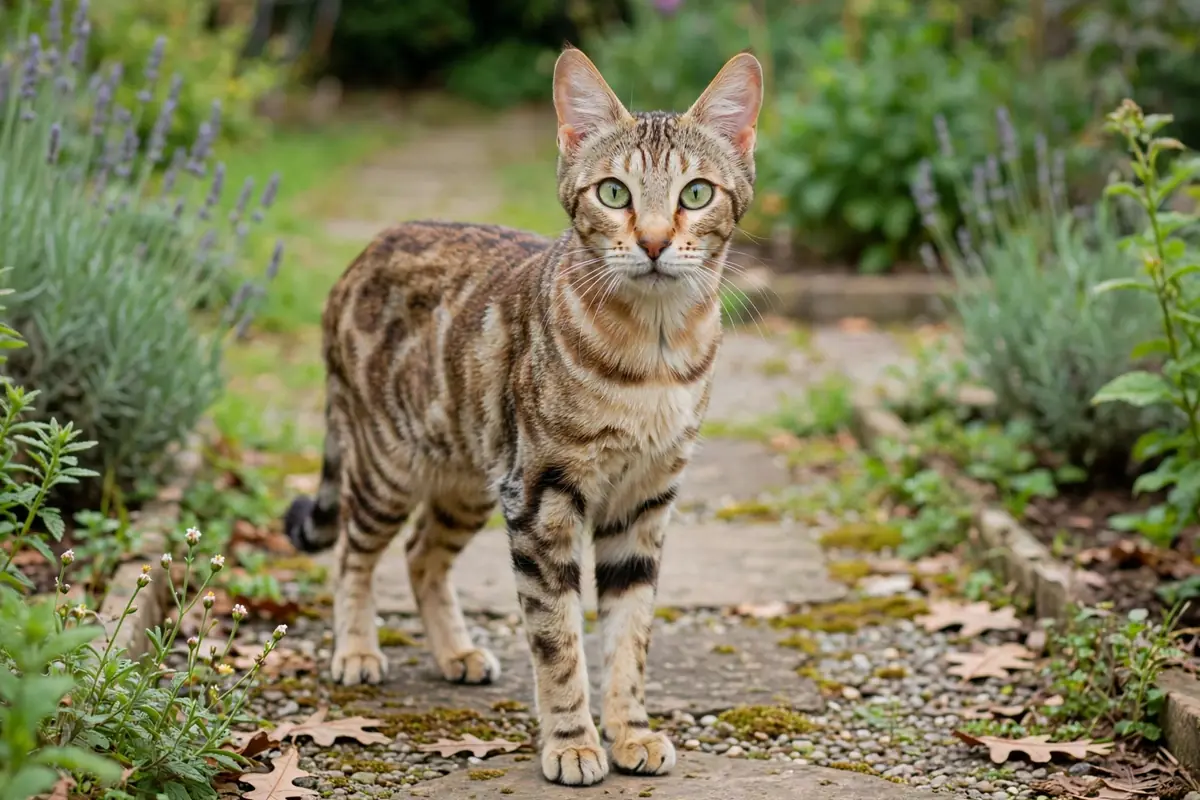
The Sokoke is one of the rarest cat breeds in the world, a slender, spotted forest cat from the Arabuko-Sokoke Forest on the coast of Kenya. With its blotched tabby coat, long legs, and large ears, it looks like a wild forest cat, and in a way it is: the breed descends from the feral cats that have lived in that forest for generations, and it was only recognized as a breed in the last few decades.
Sokokes are active, talkative, and deeply devoted to their people, bonding so strongly to one person that they can be wary of strangers. If you want a rare, athletic, affectionate cat and you can give it the activity and company it needs, the Sokoke is a remarkable find. This guide covers its origins, appearance, temperament, grooming, and health.
Sokoke at a Glance
The Sokoke is a medium-sized cat, usually weighing between 3 and 5 kilograms, with a long, slender body, long legs, and a short coat in a distinctive blotched tabby pattern. The coat is a warm brown with darker blotches, often described as looking like bark or wood grain, which camouflages the cat in its forest home. The eyes are large, almond-shaped, and usually amber or green.
Sokokes are highly active and very vocal, using a wide range of chirps, trills, and meows to talk to their owners. They bond intensely to their families and can be shy with strangers. They typically live 12 to 15 years and need an owner who enjoys an energetic, involved cat.
Origin and History: A Kenyan Forest Cat
The Sokoke's story begins in the Arabuko-Sokoke Forest in Kenya, where a population of feral cats with a distinctive blotched tabby coat had lived for generations. In the 1970s, Englishwoman Jeni Slater, who lived near the forest, noticed these cats and began taking them in, recognizing that their coat pattern and build were unlike any other domestic cat.
Slater brought a pair of Sokokes to Denmark in the 1980s, where breeder Gloria Moeldrup established a breeding program. The breed was recognized by cat associations in the 1990s, but it remains extremely rare, with only a small number of breeders worldwide, mostly in Europe. Conservation of the wild population in Kenya is an ongoing concern.
Appearance: A Blotched Tabby Like Bark
The Sokoke's coat is its defining feature: a short, glossy coat in a blotched tabby pattern that looks like wood grain or bark, in shades of warm brown with darker markings. The pattern is sometimes called a modified blotched tabby, and it is unique to the breed, giving the cat superb camouflage in its forest home. The coat lies close to the body and has a distinctive texture, slightly coarse to the touch.
The body is long and slender, with a small wedge-shaped head, large upright ears, and long legs that end in small, oval paws. The tail is long and tapering, often with a dark tip. The overall impression is of a lean, alert forest cat, built for climbing and moving through dense undergrowth.
Personality and Temperament: Active, Talkative, Devoted
Sokokes are active and talkative cats that form intense bonds with their people. They chirp, trill, and meow constantly, narrating their day and demanding attention, and they often choose one person as their favorite, following them everywhere. They are playful and athletic, loving to climb, jump, and explore, and they need plenty of stimulation to stay happy.
They can be wary of strangers and new situations, a trait that reflects their forest-cat heritage. Early socialization helps, but a Sokoke may always be a one-family cat that hides when visitors arrive. With their own people, though, they are affectionate, loyal, and endlessly entertaining.
Grooming a Short Forest Coat
Grooming a Sokoke is very easy. The short, close-lying coat needs only a weekly brush with a soft brush or grooming glove to remove loose hair and keep the shine. They shed lightly, and most owners find that one quick session a week is enough.
Because Sokokes are so active, it is worth checking their claws regularly and keeping the ears clean. Dental care matters too, as with any cat. A routine of gentle handling from kittenhood makes all of it simple, and most Sokokes enjoy the attention that grooming brings.
Sokoke Health and Lifespan
Sokokes typically live 12 to 15 years and are generally a healthy breed, partly because they descend from a hardy population of forest cats. There are no major breed-specific diseases, though the small gene pool means responsible breeding and health screening matter more than usual.
The main health consideration is lifestyle: Sokokes are active cats that need space and stimulation, and a bored, under-exercised Sokoke can gain weight or become stressed. Keep your Sokoke active with climbing, play, and measured feeding, choose a breeder who health-screens, and book annual vet check-ups.
Is the Sokoke Right for You?
The Sokoke is right for you if you want a rare, athletic, deeply devoted cat and you can give it the activity and company it needs. You will get a loyal, talkative companion that climbs, plays, and follows you around the house, and you will own one of the rarest breeds in the world. It suits active owners and quiet households where the cat can bond closely to its family.
It is not right for you if you want a calm, independent cat, or if your home is full of visitors and commotion. Sokokes can be shy with strangers, and they need a stable, loving home to thrive. Give them that, and you will have a truly special cat.
Frequently Asked Questions
How rare is the Sokoke?
Very rare. The Sokoke is one of the rarest recognized cat breeds in the world, with only a small number of breeders, mostly in Europe. Kittens are scarce, waiting lists are long, and prices reflect the rarity. The wild population in Kenya's Arabuko-Sokoke Forest is also small and protected.
Are Sokokes wild cats?
No, Sokokes are fully domestic cats, though they descend from feral cats that lived in the Arabuko-Sokoke Forest in Kenya. They have been bred as a domestic breed since the 1980s, and they are affectionate, people-oriented pets. Their wild look comes from their forest heritage, not from wild ancestry.
Do Sokokes get along with other pets?
Sokokes can get along with other cats, especially if introduced young, and they may tolerate cat-friendly dogs. They are territorial by nature, though, and they bond most strongly to their own family. Slow, supervised introductions work best, and small pets should be kept separate because of their hunting instinct.
How much does a Sokoke kitten cost?
Because the breed is so rare, a Sokoke kitten from a reputable breeder usually costs between $1,500 and $3,000, and you may need to join a waiting list and travel to collect your kitten. Always verify the breeder's health screening and living conditions before paying a deposit.
Do Sokokes need a lot of exercise?
Yes, Sokokes are very active and need daily play, climbing structures, and mental stimulation. A tall cat tree, wall shelves, puzzle feeders, and at least two play sessions a day will keep a Sokoke happy. Without enough activity, they can become bored, restless, and destructive.