Sphynx Cat: Breed Guide & Skin Care
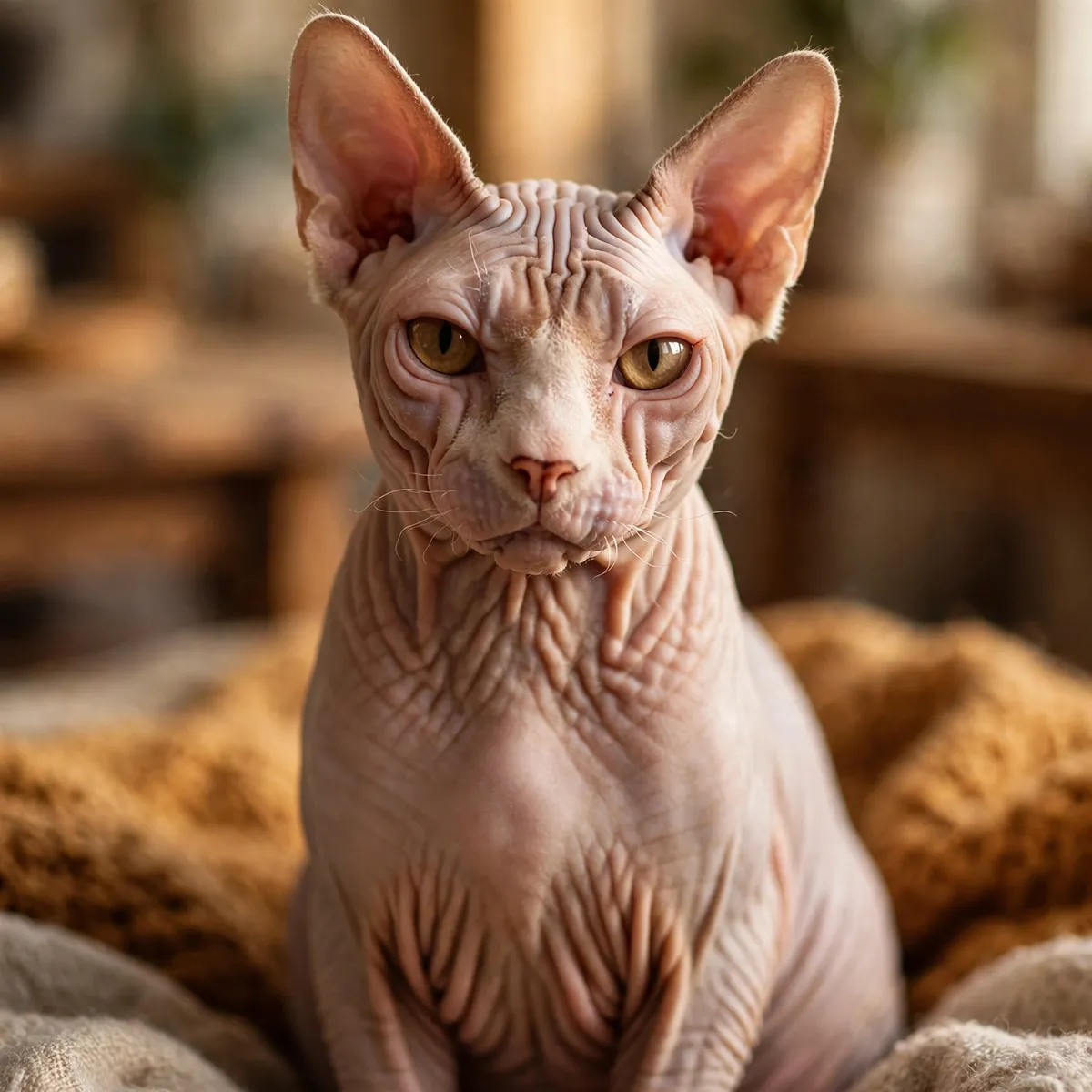
Thinking of getting a Sphynx? Here is the honest truth: this is not a low-maintenance cat — but it is one of the most affectionate, entertaining, dog-like breeds you will ever meet. These warm, wrinkly cats crave human contact, perform like comedians, and need skin care, bathing, and warmth that furred cats simply do not.
If you want a clingy, playful companion and can commit to weekly baths, ear cleanings, and winter sweaters, the Sphynx rewards you with unmatched devotion. This guide covers origin, personality, the full skin-care routine, temperature needs, feeding, health notes, and costs.
Sphynx Cat Origin and History
The Sphynx story starts in Toronto in 1966, when a domestic shorthair gave birth to a hairless male kitten named Prune. That early line struggled, but in the 1970s more hairless kittens appeared in Toronto and Minnesota, and breeders — using Devon Rex outcrosses to widen the gene pool — stabilized the modern Sphynx. The Cat Fanciers' Association granted championship status in 2002. Despite the name, the breed has no connection to Egypt; their hairlessness comes from a recessive gene.
One myth to clear up: Sphynx cats are not completely bald. Most have a fine downy fuzz that feels like warm suede, with slightly thicker hair on the nose, ears, tail, and feet.
Sphynx Personality: The Velcro Cat
If personality is what you are shopping for, the Sphynx wins on points. Typical Sphynx traits:
- Extremely affectionate. Sphynx are famous "velcro cats" — expect them on your lap, under your blanket, or draped across your shoulders.
- Playful and mischievous. They stay kitten-like into adulthood, love interactive toys and games of fetch, and are notorious food thieves.
- Social and outgoing. Most greet visitors at the door, get along with other cats and cat-friendly dogs, and hate being left alone.
- Chatty. Expect a running commentary on hunger, cold, boredom, and how thrilled they are that you are home.
- Warm to the touch. With no fur insulating your hand, a Sphynx feels noticeably warmer — owners call them living hot-water bottles.
The flip side: a Sphynx is a poor choice if you want an independent cat or are away all day — lonely Sphynx can turn anxious and destructive. A second pet or a work-from-home human makes a big difference.
Sphynx Skin Care: The Weekly Routine
Without fur to absorb their skin oils, Sphynx cats build up oil on their skin. Left alone, the oils turn grimy, attract dirt, stain bedding, and can clog pores. A consistent routine prevents nearly all of it:
- Wipe-downs between baths. Once or twice a week, wipe down your Sphynx with a warm damp cloth or unscented pet wipe, focusing on skin folds, neck, and tail.
- Clean the wrinkles. Gently unfold and wipe inside the skin wrinkles — moisture trapped in deep folds can lead to yeast or bacterial irritation. Dry the folds after wiping.
- Nail care. Trim every 1–2 weeks and wipe away the dark waxy residue that collects around the nail bed.
- Paw pads. Wipe them during wipe-downs — Sphynx feet get grimy fast.
Watch for redness, flaking, sores, or a yeasty smell — Sphynx are prone to skin infections, and early treatment is simple. When in doubt, call your vet.
Bathing Your Sphynx: How Often and How
Most Sphynx need a bath every 1 to 2 weeks — let the skin guide you: oily, sticky skin means bath time. Use a few inches of comfortably warm water and a gentle cat-safe shampoo (never human shampoo), lather with your hands or a soft cloth into the wrinkles and between the toes, rinse thoroughly — residue irritates bare skin fast — then towel-dry completely and keep your cat warm, because baths chill a Sphynx quickly. Start in kittenhood with treats; many Sphynx end up genuinely enjoying warm baths.
Ear Cleaning and Eye Care
Sphynx ears produce dramatic amounts of dark wax — check weekly and clean visible wax with a vet-approved cleaner on a cotton ball, never pushing into the canal. Heavy buildup, odor, or head-shaking warrants a vet visit. Their eyes collect brownish discharge quickly too (no eyelashes); wipe the corners daily with a separate damp cloth per eye. A little tearing is normal; squinting or green discharge is not.
Temperature Needs: Keep Your Sphynx Warm
A hairless cat loses body heat fast, and the Sphynx feels the cold in a way furred cats do not:
- Keep your home warm. If you are reaching for a sweater, your Sphynx is already cold.
- Provide warm sleeping spots. Heated cat beds, blankets, and sunny window perches are Sphynx essentials.
- Dress them up. Soft cat sweaters in cool weather are practical, not a fashion statement — introduce clothing gradually with treats.
- Stay indoors in the cold — and limit intense sun too, since bare skin can sunburn.
Feeding a Sphynx: Higher Metabolism
Because they burn extra calories staying warm, Sphynx typically eat more than an average cat of the same size. Feed a high-quality, protein-rich diet — wet food as the base — and expect a healthy appetite.
Do not free-feed mindlessly: Sphynx can still become overweight. Feed measured meals, weigh your cat monthly, and adjust portions to keep a visible waist. Kittens and very active adults need the most; seniors need fewer calories. Fresh water at all times is a must — many Sphynx prefer a water fountain.
Health Notes: HCM Screening and More
Sphynx are generally hardy cats with a lifespan often reaching 12–15 years, but the breed has some known concerns. The most important is hypertrophic cardiomyopathy (HCM), a thickening of the heart muscle that occurs across many breeds but is watched closely in Sphynx. Reputable breeders screen their breeding cats with annual echocardiograms by a veterinary cardiologist — ask to see the results.
Other things to watch: skin issues (oil buildup and yeast or bacterial infections — manageable with the routine above and prompt vet care), respiratory sensitivity (keep vaccinations current), and dental disease (regular checkups and home tooth brushing help).
Choose a breeder who HCM-screens and provides vet records — and keep up with annual vet visits yourself. That habit catches more problems early than anything else.
How Much Does a Sphynx Kitten Cost?
Sphynx are one of the pricier popular breeds — small litters, high demand, and the cost of proper health screening:
- Pet-quality kitten from a reputable breeder: roughly $1,500 to $3,000, sometimes more for exceptional lineage.
- Show or breeding-quality: $3,000 and up.
- Adoption/rescue: $100 to $400 — Sphynx-specific rescues exist, and retired breeding cats occasionally need homes.
Bargain prices usually mean no HCM screening and no vet care. A good breeder screens hearts annually, raises kittens in the home, and interviews you right back.
Is a Sphynx Right for You?
Get a Sphynx if you want a shadow, a comedian, and a hot-water bottle in one — and you are ready for the maintenance: weekly baths, ear cleanings, sweaters, a warm house, and a cat who sulks when ignored. The routine becomes second nature within a month.
Skip the Sphynx if you want an independent cat, are away all day, or dislike bathing a cat every couple of weeks. Compare other personalities in our Cat Breeds section — and find feeding, grooming, and care basics in our article library.
Frequently Asked Questions
Are Sphynx cats really hypoallergenic?
Not truly. Most cat allergies are triggered by the Fel d 1 protein in saliva and skin oils, which Sphynx still produce. Some sufferers react less because there is no fur trapping dander — but spend time with the breed before committing.
How often should I bathe my Sphynx?
Most need a bath every 1 to 2 weeks with a gentle, cat-safe shampoo. Without fur to absorb skin oils, the oils build up, attracting dirt and staining bedding. Oily or dirty skin means bath time.
Do Sphynx cats get cold easily?
Yes. Without an insulating coat, Sphynx cats lose body heat quickly. They seek out warm laps, blankets, and sunny spots, and most owners keep soft sweaters on them in cooler weather. Never let a Sphynx outside in cold weather, and keep your home comfortably warm.
Why does my Sphynx leave brown stains on my sheets?
Those rust-colored marks are oxidized skin oils that fur would normally absorb — they transfer onto bedding and furniture. Regular bathing reduces staining; washable blankets on favorite sleeping spots help.
How much does a Sphynx kitten cost?
From a reputable breeder, pet-quality Sphynx kittens generally run $1,500 to $3,000 or more, reflecting the breed's popularity, HCM screening, and small litter sizes. Prices far below that are a red flag.