Tonkinese Cat: Complete Breed Guide
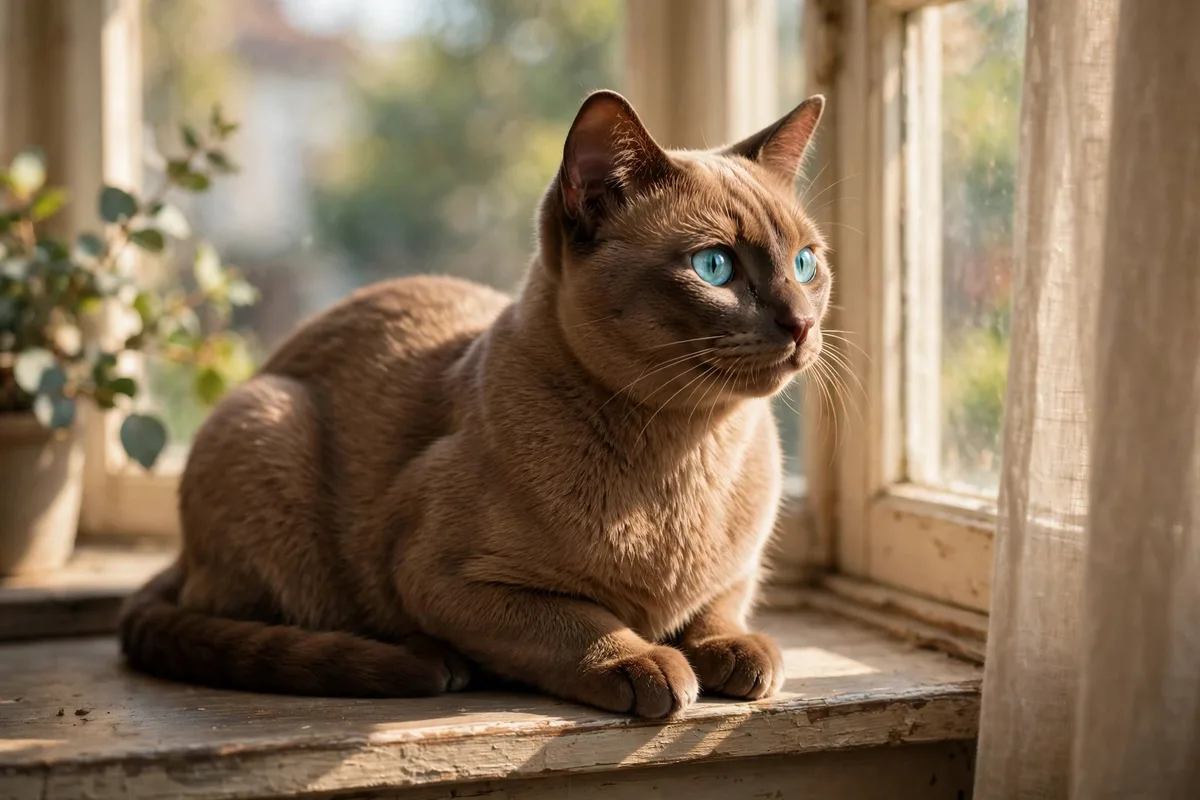
What is a Tonkinese cat? It is a friendly, people-focused breed created by crossing the Siamese and the Burmese — two of the most social cat breeds in the world. The result is a medium-sized cat with a soft, mink-like coat, striking aqua-colored eyes, and a personality that craves company. If you want a cat that greets you at the door, chats with you, and settles on your lap every evening, the Tonkinese is a breed worth knowing. This guide covers the Tonkinese cat's appearance, temperament, care, and health, plus the honest answer to whether this affectionate breed fits your household.
Tonkinese cats — sometimes nicknamed "Tonks" by their fans — are often described as the best of both parent breeds: the Siamese's talkative charm softened by the Burmese's easygoing warmth. They are active without being wild, affectionate without being clingy to the point of trouble, and adaptable enough for many kinds of homes. Keep reading to see if a Tonk is the right cat for you.
Tonkinese Cat Appearance: Coat, Color, and Aqua Eyes
The Tonkinese is a medium-sized, muscular cat with a surprisingly solid feel when you pick it up. Most adults weigh between 6 and 12 pounds, with males a little larger than females. Their body is neither long and svelte like the modern Siamese nor stocky like the Burmese — it sits comfortably in between, with a rounded chest, slim legs, and an elegant, balanced shape.
The coat is short, fine, and close-lying, with a soft, silky texture that breeders often compare to mink. Tonkinese come in a range of colors, including natural (a warm brown), champagne, blue, and platinum, and their patterns fall into three types: solid, pointed (like a Siamese), and mink — the most prized pattern, where the body color is a medium shade with darker points. Whatever the pattern, the signature feature is the eyes: a vivid aqua or blue-green color that breeders prize and owners adore. Their ears are medium-sized and set wide apart, and their expression is famously alert and sweet.
Kittens are born with lighter coats that deepen as they grow, so a Tonkinese kitten's final color may take a year or more to fully develop. This is normal and part of the fun of watching a Tonk mature.
Tonkinese Cat Temperament and Personality
If one word sums up the Tonkinese, it is "social." These cats want to be where you are. They follow their people around the house, join in whatever you are doing, and often greet visitors at the door rather than hiding. Many Tonkinese are famously talkative, with a soft, chirpy voice that is quieter than a Siamese's famous yowl but still very much part of daily conversation. Expect commentary on dinner, on your return home, and on anything they find interesting.
Tonkinese are playful well into adulthood. They enjoy interactive toys, puzzle feeders, and games of fetch, and many learn to walk on a harness or even to play with water. They are also notably affectionate: most Tonks love laps, shoulders, and sleeping tucked against their people at night. They tend to be gentle and patient, which makes them a popular choice for families, including homes with children who treat cats respectfully.
They also do well with other pets. Because they are so people-oriented and social, Tonkinese usually adapt well to other cats and even cat-friendly dogs, especially if introductions are gradual. The flip side of that sociability is that they do not like being left alone for long stretches. A Tonkinese left by itself all day, every day, may become lonely, vocal, or destructive. If your household is out for long hours, a second cat companion — or plenty of enrichment — can make a real difference.
Tonkinese Cat Care and Grooming
Grooming a Tonkinese is refreshingly simple. The short, fine coat needs only a weekly brush to remove loose hair and keep it glossy, and they shed lightly compared with many breeds. Regular nail trims, ear checks, and dental care round out the routine: brush their teeth when you can, or ask your vet about dental treats and cleanings, since gum disease is common in cats of all breeds.
Their care needs are more about attention than maintenance. Tonkinese thrive on daily interactive play — a feather wand, a laser toy, or a puzzle feeder — and they appreciate climbing trees and window perches where they can watch the world. Because they are intelligent and curious, rotate toys regularly to keep things interesting. They are indoor cats by preference in most homes, and keeping them indoors protects them from traffic, predators, and disease while still giving them a full, happy life with the right enrichment.
Feeding is straightforward: a high-quality, meat-based cat food in measured portions suited to their age and activity level. Tonkinese have a tendency to enjoy their food a little too much, so avoid free-feeding and watch their weight, especially after neutering. Fresh water should always be available, and many cats drink more from a fountain. As with any breed, ask your veterinarian about the right diet if your cat has weight or health concerns.
Tonkinese Cat Health Notes
Tonkinese cats are generally healthy and can live 12 to 16 years or longer with good care. Like their Siamese and Burmese ancestors, though, they have a few inherited conditions to be aware of. Some lines may carry a risk of amyloidosis, a condition affecting the liver and kidneys, and certain eye and respiratory issues seen in related breeds can occasionally appear. Responsible breeders screen their cats and should be open about health testing, so ask about it before choosing a kitten.
Everyday health care matters just as much as genetics: regular vet checkups, vaccinations, parasite prevention, and dental attention. Tonkinese are also sensitive to anesthesia in some reports linked to their Siamese heritage, so mention the breed to your vet before any procedure. Watch for changes in appetite, weight, breathing, or litter habits, and seek veterinary advice promptly if anything seems off — early attention usually leads to simpler treatment.
Is a Tonkinese Cat Right for You?
A Tonkinese may be a wonderful match if you want an affectionate, talkative, playful companion and you spend a good amount of time at home. They suit families with children, homes with other friendly pets, and first-time cat owners who want a social, forgiving breed. If you work from home or have a busy household full of company, a Tonk will be in its element.
A Tonkinese is probably not the best fit if you are away from home for very long hours, if you want a quiet, independent cat that mostly keeps to itself, or if you are sensitive to a chatty cat — they will talk to you, daily. They are also not ideal for someone who wants a strictly outdoor cat, since their social nature and trusting temperament suit indoor life far better.
The bottom line: the Tonkinese is a warm, funny, endlessly sociable cat that gives back far more affection than it asks for. If you have the time and love to give, a Tonk may be one of the most rewarding companions you will ever meet.
Frequently Asked Questions
Are Tonkinese cats good for first-time cat owners?
Yes — Tonkinese are often recommended for first-time owners because they are affectionate, adaptable, and forgiving. They do need company and daily play, so they suit homes where someone is around for much of the day.
Do Tonkinese cats talk a lot?
They are chatty, but usually softer-voiced than a Siamese. Expect chirps, trills, and meows as part of everyday life — greetings, opinions on dinner, and commentary on whatever catches their eye.
Are Tonkinese cats good with children and other pets?
Generally yes. Tonkinese are gentle, patient, and social, so they usually do well with respectful children and with other cats or cat-friendly dogs, especially when introductions are gradual.
How long do Tonkinese cats live?
With good care, Tonkinese cats often live 12 to 16 years, and some live longer. Regular vet checkups, a healthy weight, and indoor living all help support a long life.
Can Tonkinese cats be left alone during the day?
For a normal workday, most Tonkinese cope fine if they have toys, perches, and enrichment — but they dislike long, repeated stretches alone. If you are out for very long hours, a second cat companion can help a lot.