Why Does My Cat Cough? 8 Causes from Hairballs to Asthma
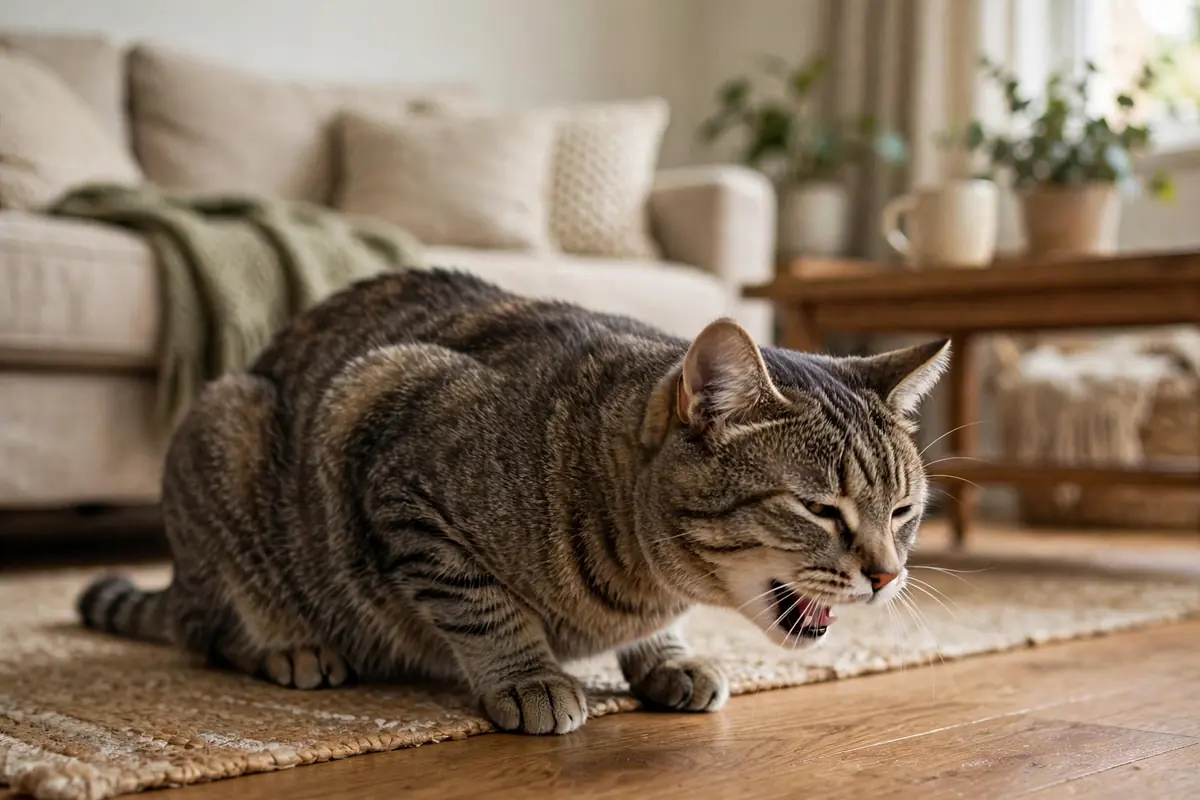
A cat coughing is an unsettling sound, and the first question every owner asks is whether it is serious. In most cases, an occasional cough comes from a hairball working its way up, and it passes within a minute or two. But coughing can also be a sign of feline asthma, a respiratory infection, heart disease, or irritation from smoke and dust. The key is learning to tell a harmless cough from one that needs a vet.
Cats do not cough the way people do, which makes it easy to misread. A coughing cat often crouches low, stretches its neck forward, and makes a dry, hacking sound. Owners sometimes mistake this for vomiting, choking, or sneezing. Watching the posture and noting how often it happens will give your veterinarian valuable clues.
Is It a Cough, a Hairball, or a Sneeze?
Before worrying about causes, it helps to identify what you actually heard. A sneeze comes from the nose, usually in a quick burst, and often comes with a runny nose or watery eyes — much like a human cold. A hairball episode involves retching and gagging from the stomach, and it usually ends with the cat bringing up a sausage-shaped clump of fur. A true cough comes from the chest or throat: a dry hack, sometimes repeated several times, with nothing brought up at the end.
Asthma coughing has its own look. The cat crouches with its neck stretched out, shoulders hunched, and may wheeze or breathe with its mouth open afterward. If you see that pattern more than once, it deserves attention even if your cat seems fine between episodes. When in doubt, try to record a short video of the episode on your phone — vets find this enormously helpful, because cats rarely cough on cue in the exam room.
8 Common Causes of Coughing in Cats
- Hairballs. The most common cause, and usually the least worrying. Cats swallow loose fur while grooming, and most of it passes through the digestive system. When a clump builds up in the stomach, the cat coughs and retches to expel it. Regular brushing, especially for long-haired breeds, reduces hairball frequency. If your cat brings up hairballs more than once or twice a week, or retches without producing anything, mention it to your vet — frequent retching can also be a sign of asthma or digestive trouble.
- Feline asthma. Asthma is a chronic inflammation of the airways, and it is more common in cats than many owners realize. Triggers include dust, pollen, cigarette smoke, scented litter, air fresheners, and cleaning sprays. An asthmatic cat coughs, wheezes, and may struggle to breathe during flare-ups. Asthma cannot be cured, but it can usually be managed well with inhaled medication prescribed by a vet. If your cat coughs regularly or ever breathes with its mouth open, asthma should be near the top of the list to check.
- Upper respiratory infections. Just like people catch colds, cats catch respiratory infections, often caused by feline herpesvirus or calicivirus. Alongside coughing, you may notice sneezing, a runny nose, watery eyes, and a reduced appetite. Most mild infections clear up with rest and supportive care, but kittens, senior cats, and cats with weak immune systems are more vulnerable. If your cat stops eating, has thick yellow or green nasal discharge, or seems very lethargic, a vet visit is needed. For more on the sneezing side of these infections, see our guide on cat sneezing causes.
- Allergies and airborne irritants. Cats can react to the same household irritants that bother people: cigarette smoke, dusty litter, strong perfumes, plug-in air fresheners, and even fireplace smoke. The cough usually appears after exposure and eases when the cat moves to fresh air. Switching to a low-dust, unscented litter and keeping your home smoke-free are simple changes that often make a real difference. If the cough follows a seasonal pattern, pollen or mold may be involved.
- Heart disease. This is a less common but important cause. When the heart does not pump efficiently, fluid can build up around the lungs, triggering a cough. Heart-related coughing tends to come with other signs: reduced energy, loss of appetite, rapid breathing at rest, or fainting. It is more likely in older cats, but heart disease can affect younger cats too. A vet can check with a stethoscope, X-rays, or an ultrasound of the heart.
- Lungworms and other parasites. Cats that hunt outdoors or eat slugs and snails can pick up lungworms, parasites that live in the airways and cause a persistent cough. Infected cats may also lose weight or seem less active. The good news is that lungworms are treatable with antiparasitic medication once diagnosed. Regular parasite prevention, as recommended by your vet, lowers the risk — especially for outdoor cats.
- Foreign objects. A blade of grass, a small piece of string, or a bit of food stuck in the throat can cause sudden, intense coughing or gagging. This usually starts abruptly and the cat may paw at its mouth. Do not try to fish objects out with your fingers, as you may push them further down or get bitten. If the coughing is violent, continuous, or your cat is struggling to breathe, treat it as an emergency.
- Chronic bronchitis. Long-term inflammation of the airways can develop gradually, especially in older or overweight cats. The cough is persistent and dry, and it may worsen over months. Chronic bronchitis is diagnosed by ruling out other causes, and management focuses on reducing airway inflammation and removing triggers. Weight management helps too, since extra weight makes breathing harder.
Warning Signs: When a Cough Needs Urgent Care
Most occasional coughs are not emergencies, but some signs mean you should not wait. Contact your vet promptly — or go to an emergency clinic — if you notice any of the following:
- Breathing with the mouth open, or labored, rapid breathing at rest.
- Blue or pale gums, or a tongue that looks grayish.
- Coughing fits that last more than a few minutes, or happen several times a day.
- Coughing combined with lethargy, loss of appetite, vomiting, or weight loss.
- Blood in any mucus or discharge coughed up.
- A kitten, senior cat, or cat with a known illness that starts coughing.
Cats are experts at hiding illness, so a change in breathing is one sign you should never ignore. If you are unsure, a phone call to your vet costs nothing and can save precious time.
What Your Vet Will Do
At the appointment, your vet will start with your cat's history: when the cough started, how often it happens, and what it sounds like. That video you recorded can be worth more than a description. A physical exam follows, with the vet listening to the chest and checking the mouth, nose, and throat. Depending on what they find, they may recommend chest X-rays, blood tests, or a test for lungworms. In some cases, a trial of asthma medication helps confirm the diagnosis when other tests come back normal.
Treatment depends entirely on the cause. Hairballs call for grooming and dietary tweaks; asthma needs inhaled anti-inflammatory medication; infections may need supportive care or specific treatment; heart disease needs cardiac management. That is why there is no single home remedy for a coughing cat — the right treatment follows the right diagnosis.
Home Care: What Helps and What to Avoid
While you wait for a vet appointment, a few simple steps can help your cat feel more comfortable:
Do:
- Keep your cat indoors in a calm, well-ventilated room with fresh air.
- Switch to unscented, low-dust litter and avoid air fresheners, scented candles, and cigarette smoke.
- Brush your cat regularly to reduce swallowed fur and hairballs.
- Note when coughing happens — after meals, outdoors, at night — and share the pattern with your vet.
- Keep fresh water available and encourage rest.
Don't:
- Never give human cough medicine, cold remedies, or painkillers — many are toxic to cats.
- Do not put your fingers in your cat's mouth to check for an obstruction.
- Do not use essential oil diffusers or strong cleaning sprays near your cat.
- Do not assume a cough is "just a hairball" if it keeps coming back.
Small environmental changes often help more than owners expect. Many cats with mild airway sensitivity improve noticeably once smoke, dust, and strong scents are removed from their daily environment. For a deeper look at breathing problems, read our guide on cat asthma signs, and explore more cat health guides on the Purrfect Paws homepage.
Frequently Asked Questions
Is it normal for a cat to cough occasionally?
An occasional cough, especially one that brings up a hairball, is common and usually not a cause for concern. Coughing becomes worrying when it happens often, lasts more than a few days, or comes with breathing difficulty, lethargy, or loss of appetite.
How can I tell if my cat is coughing or trying to bring up a hairball?
A hairball episode usually involves crouching low, stretching the neck out, and retching or gagging, often ending with a hairball. A true cough sounds more like a dry hack from the chest and usually produces nothing. Asthma coughing often ends with the cat swallowing or opening its mouth to breathe.
Can cats have asthma?
Yes. Feline asthma is a chronic inflammation of the airways, often triggered by dust, smoke, pollen, or strong scents. Affected cats cough, wheeze, and sometimes breathe with their mouth open. It is manageable with veterinary treatment, but it is not curable, so ongoing care matters.
What should I do if my cat suddenly starts coughing and gasping?
Stay calm, keep the cat in a quiet room with fresh air, and do not put your fingers in its mouth. If breathing is labored, the gums look blue or pale, or the episode does not pass quickly, seek emergency veterinary care right away.
Can I give my cat human cough medicine?
No. Human cough medicines and cold remedies can be toxic to cats, even in small doses. Never give your cat any medication without your veterinarian's direction.