Why Does My Cat Meow So Much? 9 Reasons
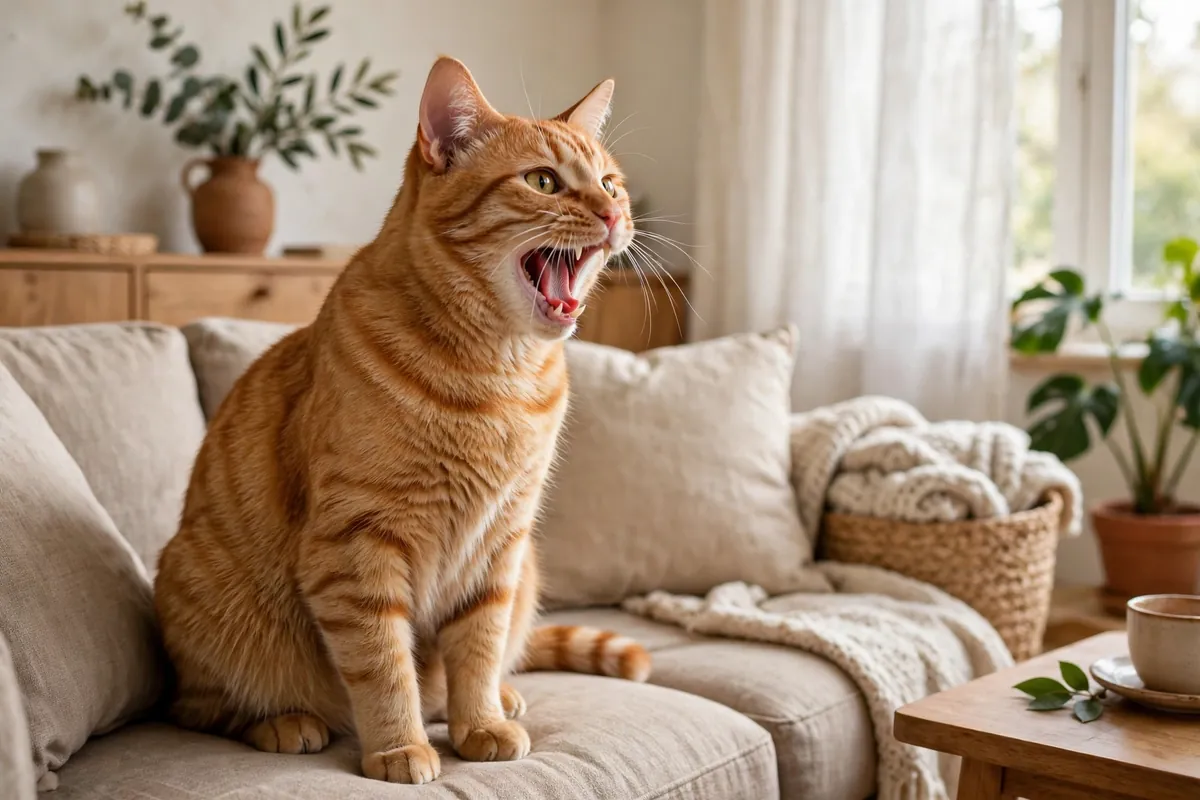
If your cat seems to have something to say about everything — breakfast, the closed bedroom door, the bird outside, the fact that you sat in their chair — you are not alone. Meowing is mainly a language cats developed for humans: adult cats rarely meow at each other, but they meow at us constantly, because they have learned that it works. A chatty cat is usually normal, but a sudden increase in meowing, or meowing paired with other changes in behavior, deserves a closer look.
The good news is that most causes of excessive meowing are easy to identify once you know what to watch for. Below are the nine most common reasons cats meow so much, plus what you can do about each one — and when a vet visit is the right move.
What Counts as Excessive Meowing?
There is no single "normal" number of meows per day. Some cats greet you with a single chirp and then go quiet; others narrate their entire day. What matters is change from your cat's own baseline. If a normally quiet cat suddenly starts yowling at night, or a chatty cat becomes much louder and more persistent, that shift is the signal worth investigating — not the raw volume of meowing itself.
Also pay attention to the type of sound. A short, high-pitched meow is usually a greeting or request. A long, low yowl can signal distress, pain, or disorientation, especially in older cats.
1. They Are Hungry or Thirsty
This is the most common reason of all. Many cats learn to meow at mealtimes, and some start "pre-meowing" an hour early just in case. Check the basics first: is the food bowl empty, is the water fresh, and has feeding time actually arrived? Cats can also meow for a specific kind of food — if you recently switched brands, your cat may be lodging a complaint. A consistent feeding schedule, measured portions, and fresh water (many cats prefer a running water fountain) usually quiet the food-related chorus. If your cat meows for food constantly despite eating well, or seems hungry all the time, mention it to your vet.
2. They Want Your Attention
Cats are often painted as aloof, but many are deeply social with their chosen people. A cat that meows when you walk into the room, sit down, or — worst of all — pick up your phone may simply want interaction: a scratch behind the ears, a lap to sit on, or a game. The tricky part is that responding every single time teaches your cat that meowing always works, which can turn a little attention-seeking into a lot. The better approach is to give plenty of attention on your terms — scheduled play sessions, lap time when your cat is calm — and to stay calm and boring when meowing is purely demanding.
3. They Are Saying Hello
That cheerful trill or short meow when you come home is a greeting, and it is a sign of a healthy bond. Some cats also "talk" while following you from room to room, almost like a running commentary. This kind of meowing is not a problem to solve — it is communication to enjoy.
4. They Are Bored or Full of Energy
An under-stimulated indoor cat has energy to burn and few outlets for it, so meowing becomes entertainment — for the cat, if not for you. This is a frequent cause of nighttime yowling: a cat that slept all day while you were out is wide awake and ready to play at midnight. Two or three short, active play sessions a day with wand toys or puzzle feeders, a window perch for bird-watching, and a play session followed by a small meal shortly before bedtime can make a dramatic difference.
5. They Are Stressed or Anxious
Changes in the household — a move, a new baby, a new pet, guests, renovations, even rearranged furniture — can make a cat meow more. Stress meowing is often paired with other signs: hiding, reduced appetite, over-grooming, or avoiding the litter box. If you can identify the trigger, give your cat a quiet safe room with their own food, water, litter box, and hiding spots, and let them come out on their own schedule.
6. They Are in Heat or Looking for a Mate
An unspayed female cat in heat will yowl loudly and persistently, often for days, and may also roll on the floor, raise her hindquarters, and try to escape outside. Unneutered males may yowl in response to females nearby and spray urine. This behavior is hormonal, not naughtiness, and the reliable long-term solution is spaying or neutering — which also brings health benefits and helps prevent unwanted litters.
7. They Are in Pain or Unwell
Meowing is one of the few ways a cat can tell you something hurts. Conditions that commonly increase vocalization include urinary tract problems (meowing in or near the litter box, straining, or frequent small trips), dental pain, arthritis in older cats, and an overactive thyroid, which can also cause restlessness and weight loss. The red flags are meowing that starts suddenly, meowing combined with appetite or litter box changes, hiding, or a change in how your cat moves. Cats hide pain well, so new vocalization is worth taking seriously — book a vet appointment rather than waiting it out.
8. They Are Getting Older
Senior cats sometimes develop cognitive dysfunction, a feline form of age-related confusion similar in spirit to dementia. Affected cats may yowl at night, seem disoriented, stare at walls, or forget where the litter box is. If your older cat's meowing has increased and they seem confused or restless, especially after dark, talk to your vet. While cognitive decline cannot be reversed, vets can suggest environmental changes, night lights, and sometimes medication or supplements that ease disorientation and improve sleep for everyone.
9. It Is Simply Their Breed and Personality
Some breeds are famously talkative. Siamese, Oriental Shorthairs, and Bengals are known for loud, frequent, opinionated vocalizations, while breeds like British Shorthairs, Persians, and Scottish Folds tend to be quieter. Within any breed, individual personality varies enormously — some cats are just born conversationalists.
How to Respond to Excessive Meowing
Whatever the cause, a few ground rules help. First, rule out the basics every time: food, fresh water, a clean litter box, and any obvious distress. Second, never punish meowing by shouting, spraying water, or isolating your cat — punishment increases stress and usually makes vocalization worse. Third, reward quiet: give attention, treats, and play when your cat is calm and quiet, so calm behavior becomes the behavior that pays off.
When to See the Vet About Meowing
Book a veterinary visit if meowing increases suddenly, continues for more than a day or two without an obvious cause, or comes with appetite changes, weight loss, vomiting, litter box problems, hiding, limping, or restlessness at night. Senior cats with new nighttime yowling should also be checked. A vet can rule out pain, thyroid issues, urinary problems, and cognitive changes — and once medical causes are excluded, you can focus on behavior with peace of mind.
Frequently Asked Questions
Why is my cat suddenly meowing a lot more than usual?
A sudden increase in meowing often points to a change: hunger, pain, stress, a new pet or person in the home, or a medical issue such as an overactive thyroid or urinary discomfort. If the change is sudden and your cat also shows other new symptoms, schedule a veterinary check.
Should I ignore my cat when it meows for attention?
Ignoring attention-seeking meows can help, but only if you also give your cat attention at other times. Reward quiet behavior with play and affection, and avoid shouting or punishing meowing, which tends to make it worse.
Why does my cat meow at night?
Cats are naturally most active at dawn and dusk, so nighttime meowing often means boredom or excess energy. A play session and a small meal before bed, plus a consistent routine, usually help reduce it.
Do some cat breeds meow more than others?
Yes. Talkative breeds such as Siamese, Oriental Shorthairs, and Bengals tend to vocalize far more than quieter breeds like British Shorthairs or Persians. Breed temperament is only part of the picture, though — individual personality matters too.
When should excessive meowing be checked by a vet?
See a vet if meowing increases suddenly, happens alongside appetite changes, weight loss, litter box problems, hiding, or restlessness, or if your cat is a senior. These combinations can signal pain or illness that needs diagnosis.