Why Does My Cat Snore?
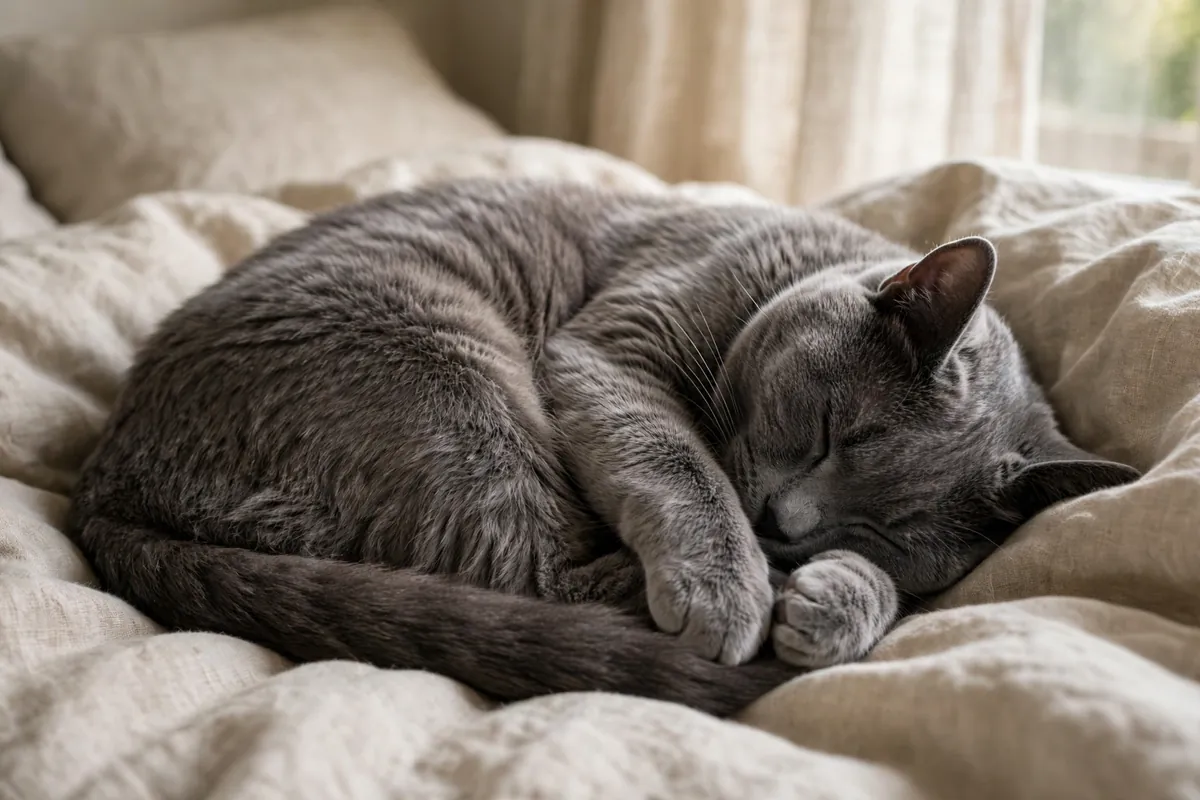
If your cat snores, you are not imagining it, and in most cases you do not need to worry. Snoring happens when air vibrates the soft tissues of the nose and throat during sleep, and it is common in cats that sleep deeply, sleep on their backs, or have short, flat faces. A gentle, occasional snore from a healthy cat that eats, plays, and breathes normally while awake is usually just a quirk of how your cat sleeps.
Snoring can also be a warning sign, though, especially when it starts suddenly, gets louder over time, or comes with other changes such as noisy breathing while awake, sneezing, or a loss of energy. The difference between harmless snoring and a problem is in the pattern and the company it keeps. This guide explains why cats snore, which cats snore the most, and the checklist of signs that mean it is time to call the vet.
Why Do Cats Snore? The Simple Explanation
Snoring is the sound of air vibrating the relaxed tissues of the airway during sleep. When your cat falls into deep sleep, the muscles of the nose, mouth, and throat relax, and the airway narrows slightly. Air passing through that narrower passage makes the soft tissues vibrate, and that vibration is the snore. It is the same basic process as in people, and like people, some cats snore and others never make a sound.
Whether your cat snores depends on the shape of its airway, how deeply it sleeps, and the position it sleeps in. Cats that sleep on their backs or with their heads tilted back are more likely to snore, because gravity pulls the soft tissues of the throat into the airway. Cats in very deep sleep snore more too, because their muscles are at their most relaxed. A light sleeper that twitches and wakes easily rarely snores at all.
Normal Cat Snoring: Breeds and Sleeping Positions
Some cats are built to snore. Flat-faced breeds, often called brachycephalic breeds, have short noses, narrow nostrils, and crowded airways, so they snore more than other cats. Persians, Exotic Shorthairs, and British Shorthairs are the classic examples, and many of them snore gently every night of their lives without any problem. Their owners usually get used to it, and the cats themselves sleep perfectly well.
Sleeping position matters just as much. A cat curled up in a tight ball with its nose tucked into its paws may snore softly through a partly blocked nose, while a cat stretched out flat on its back is more likely to snore through its throat. Overweight cats also snore more, because extra tissue around the neck narrows the airway. If your cat is a flat-faced breed, a back sleeper, or carrying a little extra weight, regular gentle snoring is usually just part of who your cat is.
When Cat Snoring Is a Warning Sign
Snoring becomes a concern when it is new, loud, or changing. A cat that never snored and suddenly starts snoring every night may have a cold, an allergy, or congestion narrowing its nose. A cat that snores while awake, or that makes noisy, rattly breathing sounds during the day, may have an infection, a polyp in the nose or throat, or an irritated airway. Swollen tissues, discharge from the nose, and sneezing alongside the snoring all point toward something that needs checking.
The most serious pattern is sleep apnea, where the airway closes briefly during sleep and the cat stops breathing for a moment, then gasps or wakes. Signs include loud snoring that stops and starts, gasping during sleep, restless nights, and a cat that seems tired or less playful during the day. Obesity makes apnea more likely, and so do airway problems in flat-faced breeds. Apnea is not something to watch and wait on. If you notice pauses in your cat's breathing during sleep, book a vet visit and mention exactly what you saw.
When to Call the Vet About Your Cat's Snoring
Call your vet if your cat's snoring started suddenly, has become much louder, or now happens every night when it used to be rare. Book a visit promptly if your cat snores while awake, breathes noisily during the day, or seems to struggle for air at any time. These are the clearest signs that something has changed in the airway and needs a look.
Other red flags to watch for include sneezing that does not clear up, discharge from the nose or eyes, a loss of appetite, weight gain that is making the snoring worse, and daytime tiredness or a drop in playfulness. If your cat pauses between breaths during sleep, gasps, or wakes up choking, treat that as urgent and call your vet the same day. When you visit, tell the vet when the snoring started, whether it happens while awake, and whether your cat has had a cold or allergy symptoms, as those details help narrow down the cause.
How to Help a Snoring Cat Sleep Better
There is a lot you can do at home for a cat that snores for harmless reasons. If your cat is carrying extra weight, help it slim down gradually with measured meals and daily play, since even a small amount of weight loss can quiet snoring. Keep the air in your home clean by avoiding smoke, strong air fresheners, and dusty litter, all of which irritate a cat's nose and throat. A little humidity in dry winter air can help too.
Give your cat a comfortable sleeping spot where it can choose its own position, and wash its bedding regularly to keep dust and allergens down. If your cat snores mostly on its back, a soft, supportive bed may encourage a curled position that keeps the airway clearer. None of these steps will fix a medical cause, but for a healthy cat that simply snores, they can make the nights quieter for everyone, including your cat.
Frequently Asked Questions
Is it normal for cats to snore?
Yes, gentle occasional snoring is normal, especially in flat-faced breeds, cats that sleep on their backs, and cats in very deep sleep. As long as your cat breathes normally while awake, eats well, and plays normally, snoring is usually just a quirk of how your cat sleeps.
Do cats snore more as they age?
Some cats do snore more with age, as throat muscles relax and weight can creep up. Senior cats are also more likely to develop congestion or dental problems that narrow the airway. New or louder snoring in an older cat is worth mentioning at the next vet visit, just to rule out a treatable cause.
Why does my cat suddenly snore?
Sudden snoring often means the airway is narrowed by a cold, an allergy, congestion, or irritation from dust or smoke. It can also follow weight gain. If the snoring is new, loud, or comes with sneezing, discharge, or noisy breathing while awake, book a vet visit to find the cause.
Can a cat have sleep apnea?
Yes, cats can have sleep apnea, where the airway closes briefly during sleep and breathing pauses, followed by a gasp or a waking. It is more likely in overweight cats and flat-faced breeds. If you notice pauses in breathing, gasping, or restless nights, tell your vet, as apnea needs a proper check.
What can I do to stop my cat snoring?
Help an overweight cat slim down gradually with measured meals and play, keep the air clean by avoiding smoke and strong scents, wash bedding regularly, and offer a comfortable bed that lets your cat sleep curled up. If the snoring is loud, new, or happens while awake, a vet visit comes before home fixes.