Why Does My Cat Stare at the Wall?
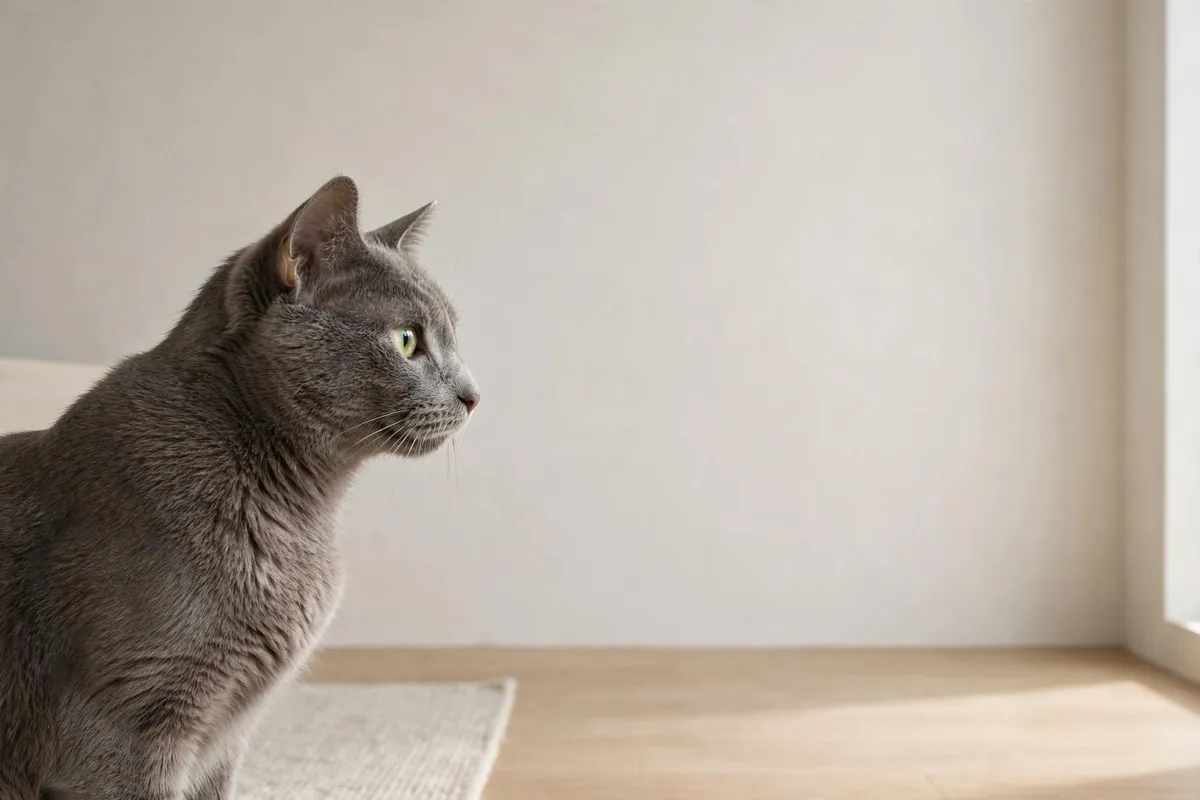
You glance over and freeze: your cat is sitting bolt upright, eyes locked on a completely blank wall. No fly, no shadow, no obvious anything. They do not blink. They do not respond when you call their name. Are they seeing ghosts? Plotting something? Or just being a cat?
Most of the time, wall-staring is your cat's superpowered senses at work. Cats hear frequencies far beyond human range and spot movement we would never notice, so a "blank" wall is often full of interesting information for them. Sometimes they are simply zoning out the way humans daydream. But in a few cases — especially with senior cats or sudden behavior changes — persistent staring is worth a vet visit. Here is how to tell the difference.
Super-Hearing: Your Cat Hears What You Can't
The number-one reason cats stare at walls is sound. A cat's hearing range extends well into ultrasonic frequencies that humans cannot perceive at all. That means your cat can hear the faint scratching of insects inside the wall cavity, the high-pitched whine of electronics, or the scuttle of a mouse in the crawlspace — all completely silent to you.
Cats also localize sound with remarkable precision, rotating each ear independently to triangulate a source. When your cat locks onto a wall with ears swiveled forward, they are usually tracking a specific sound to its exact spot. You might notice the stare shifts slightly along the wall as the sound moves, or that one ear twitches while the rest of the body stays statue-still. That is focused listening, not a trance.
Seasonal changes make this more common. In autumn, mice and insects look for warm shelter and often end up inside wall voids and attics. If your cat has suddenly developed a favorite staring spot on one particular wall, there is a decent chance something small is living behind it. (Whether you want to investigate is up to you — your cat will happily keep watch either way.)
Hunting Instincts: Tracking Movement You'd Never Notice
Hearing is only half the story. Cat vision is built for detecting motion, especially in low light, and they notice tiny visual details that our brains filter out. A speck of dust drifting through a sunbeam, the flicker of light reflecting off a passing car, a nearly invisible spider working its way along the baseboard — all of these can hold a cat's gaze for minutes.
Cats also see into the ultraviolet range, picking up patterns on surfaces that look plain to us. Researchers have found that many everyday materials reflect UV light in ways cats can detect. Your "blank" wall may genuinely look different — textured with light patterns — through your cat's eyes.
The hunting sequence gives this away. A cat tracking potential prey will show the classic signs: body low or coiled, pupils dilated, tail tip twitching, whiskers fanned forward. They may chatter their teeth — that odd clicking sound cats make at birds through windows — even when staring at a wall. If you see the hunter's body language, your cat is not spacing out; they are working.
Sometimes They're Just Zoning Out
Not every stare has a target. Cats, like people, have idle moments. A cat sitting quietly and gazing at a wall with soft eyes, relaxed whiskers, and a loose body is often simply resting — the feline equivalent of staring out a window on a long train ride. Their mind may be pleasantly blank, or they may be half-dozing with their eyes open.
Cats also use stillness strategically. In multi-cat homes, holding a fixed gaze at a neutral point can be a way of avoiding confrontation — "I am minding my own business over here." And after an exciting play session or a good meal, many cats enter a calm, drowsy state where they simply sit and stare softly at whatever is in front of them, wall included.
Context is everything here. A relaxed body means a relaxed mind. The stares worth worrying about look different: tense posture, dilated pupils in bright light, or a cat that seems genuinely unaware of its surroundings.
Feline Hyperesthesia: When the Stare Comes With Skin Ripples
There is a condition worth knowing about called feline hyperesthesia syndrome — sometimes nicknamed "twitchy cat disease." Cats with hyperesthesia have episodes where the skin along their back ripples or twitches, they may suddenly groom frantically, dash around the house, or fixate on a spot on the wall or their own tail.
During an episode, a cat might stare intensely at the wall as if something were touching them, then spin to bite at their back or flank. The episodes are brief — usually seconds to a couple of minutes — and afterward the cat often acts completely normal. The exact cause is not fully understood, but it is thought to involve oversensitive nerves, and stress can make episodes more frequent.
An occasional odd episode in an otherwise healthy cat is usually nothing to panic about. But if the staring-and-twitching episodes happen often, seem to distress your cat, or lead to self-injury from over-grooming, talk to your veterinarian. There are management strategies, from stress reduction to medication in more severe cases.
Cognitive Decline: The Senior Cat Stare
In older cats — generally those past 11 or 12 — persistent blank staring can be a sign of cognitive dysfunction syndrome, the feline equivalent of dementia. A cat with cognitive decline may stare at walls or into corners for long stretches, seem confused in familiar rooms, vocalize loudly at night, or forget where the litter box is.
This is different from the alert, ears-forward stare of a young hunter. The cognitive-decline stare tends to look vacant: soft unfocused eyes, a slack body, no reaction when you wave a hand or call their name. If your senior cat has started doing this, it deserves attention rather than amusement.
The good news is that cognitive decline can be managed. Environmental enrichment, a consistent routine, nightlights for disoriented seniors, and in some cases dietary changes or medication can improve quality of life. Your vet can also rule out look-alike conditions — which brings us to the medical causes.
When Wall-Staring Means See the Vet
Most wall-staring is harmless, but contact your veterinarian if you notice any of these red flags:
- Sudden onset in a senior cat — new, persistent staring in a cat over 11, especially with confusion or personality changes.
- Unresponsiveness — your cat does not react to their name, touch, or a treat waved near their face during the stare.
- Seizure-like signs — twitching, drooling, paddling limbs, or a brief "absence" where the cat freezes and then seems dazed afterward.
- Vision problems — bumping into furniture, dilated pupils that do not respond to light, or sudden clumsiness alongside the staring. High blood pressure, common in older cats, can damage the retina and cause sudden blindness.
- Pressing the head against the wall — distinct from staring; head-pressing is a recognized sign of neurological trouble and warrants prompt veterinary attention.
- Other new symptoms — appetite changes, weight loss, excessive thirst, vomiting, or litter box changes paired with odd staring.
A useful rule of thumb: alert staring with hunter body language in a healthy cat is normal; vacant, prolonged, or suddenly-changed staring is a conversation for your vet. When in doubt, a short video of the behavior on your phone is enormously helpful — it shows the vet exactly what you are seeing at home.
Frequently Asked Questions
Why does my cat stare at nothing on the wall?
Your cat is rarely staring at nothing. They can hear high-frequency sounds and see tiny movements that humans miss — insects, dust in light beams, or sounds inside the wall. Most wall-staring is normal sensory behavior.
Can cats see things on walls that humans can't?
In a way, yes. Cats detect ultraviolet light patterns and motion far better than humans, and their hearing picks up ultrasonic frequencies. A blank wall to you may hold plenty of sensory information for them.
Is it normal for cats to stare blankly at walls?
Occasional wall-staring is normal, especially in young, alert cats. It becomes concerning if it is constant, the cat seems confused or unresponsive, or it starts suddenly in a senior cat alongside other changes like disorientation or appetite loss.
Why does my old cat stare at the wall and seem confused?
In senior cats, persistent blank staring can be a sign of cognitive decline, similar to dementia in people, or of medical issues like high blood pressure affecting vision. A vet check is the right move for an older cat showing new staring behavior.
Should I worry if my cat suddenly starts staring at walls?
A sudden change is worth noting. Brief, alert staring is usually fine, but if your cat stares for long periods, seems unaware of you, twitches, or shows other new symptoms, contact your veterinarian promptly.