Why Does My Cat Stick Its Tongue Out?
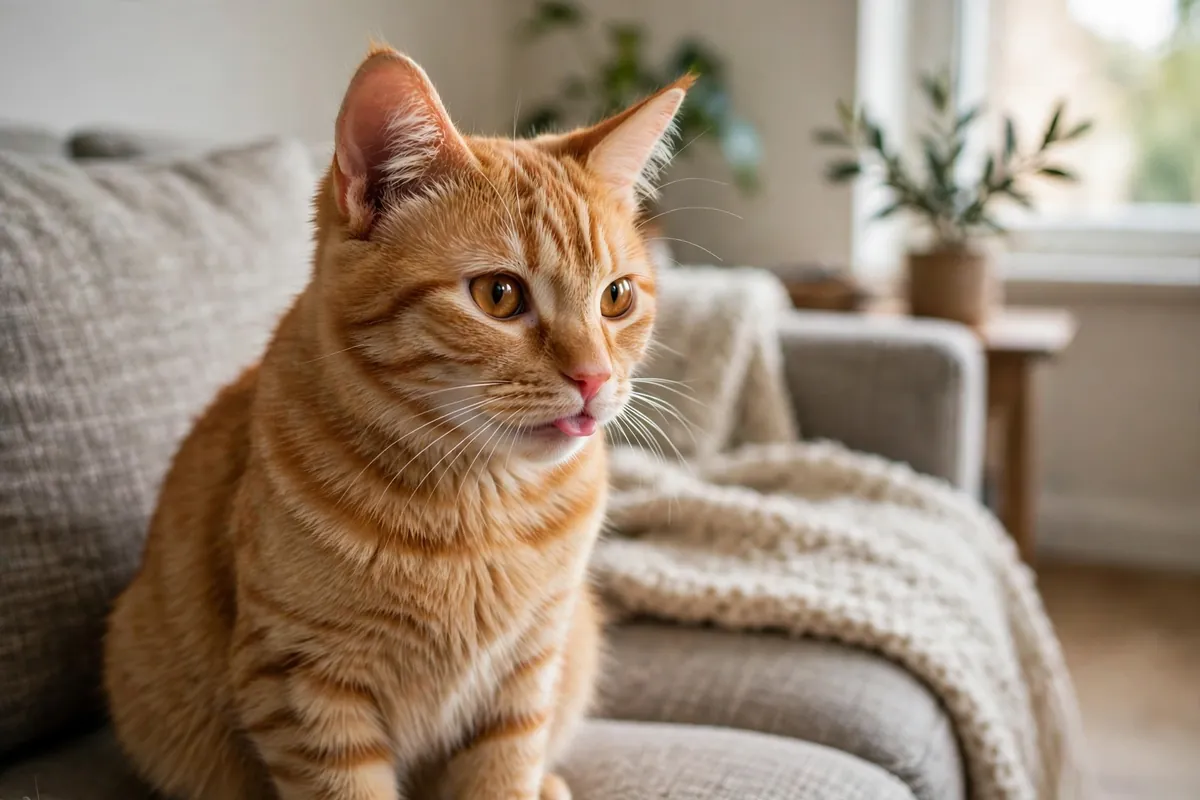
If you have ever caught your cat sitting there with the tip of its pink tongue poking out, you have witnessed a blep. In most cases, the answer is simple and harmless: your cat was grooming, yawning, or relaxing, and it simply forgot to put its tongue back in. Cats do this all the time, and a quick blep from a healthy, happy cat is nothing to worry about. It is one of those small, funny moments that make cats so endearing.
That said, a tongue that stays out is not always a joke. Sometimes it points to sore teeth, missing teeth, a mouth injury, or trouble breathing, and those causes deserve attention. The difference is in the details: how long the tongue stays out, whether your cat is drooling or struggling to eat, and whether anything else has changed. This guide explains the blep, the everyday reasons behind it, and the warning signs that mean a vet visit is a good idea.
Why Do Cats Stick Their Tongues Out? The Blep Explained
The blep is the internet's name for the moment a cat leaves the tip of its tongue sticking out, and it happens for a very ordinary reason: relaxation. When a cat is deeply relaxed, the muscles of the jaw loosen, and the tongue can slip out a little and stay there. Cats also blep right after grooming, when the tongue has been busy cleaning fur and simply does not get tucked back in, or after a big yawn, when the mouth closes before the tongue retreats.
Some cats blep more than others, and that is normal too. Cats with shorter faces, such as Persians, and cats that are missing teeth often blep because there is less holding the tongue in place. Senior cats blep more often as their jaw muscles weaken with age. None of this is a problem on its own. If your cat is eating well, grooming normally, and acting like itself, a blep is just a blep, and you can enjoy the photo opportunity.
Cat Tongue Sticking Out While Sleeping: Is It Normal?
A cat with its tongue out while sleeping is one of the most common bleps of all, and it is almost always normal. During deep sleep the jaw relaxes completely, and the tongue can slide out a little. Kittens and young cats do this often, and so do cats that fall asleep mid-groom, with the tongue still out from licking their fur. As long as the cat wakes up normally and tucks its tongue back in, there is nothing to worry about.
Watch for the pattern rather than a single moment. A cat that bleps in its sleep now and then is fine. A cat whose tongue hangs out every time it sleeps, or that sleeps with its mouth open and seems to be breathing hard, is worth a closer look. Mouth breathing during sleep can point to congestion or a blocked nose, and a cat that cannot breathe comfortably through its nose while sleeping should be seen by a vet.
Why Does My Cat Stick Its Tongue Out After Eating?
A quick tongue flick after eating is normal cat behavior. Cats use their tongues to clean food from their lips and whiskers, and sometimes the tongue lingers for a moment after the meal. Cats also stick their tongues out after tasting something strong or unfamiliar, a bit like licking their lips after a surprising flavor. If the tongue goes back in within a moment or two and your cat walks away happily, nothing is wrong.
What matters is whether the behavior repeats or comes with other signs. A cat that sticks its tongue out after every meal, paws at its mouth, drops food, or eats less than usual may have a sore tooth, a cracked tooth, or something stuck between its teeth. Cats are good at hiding mouth pain, so changes around eating are one of the best clues you will get. If mealtimes have changed, a vet can check the mouth and find the problem.
When a Sticking-Out Tongue Is a Warning Sign
A tongue that stays out can be a warning sign when it comes with other changes. The most common cause is dental trouble: sore gums, a broken tooth, an abscess, or a mouth injury can make it painful or difficult for a cat to keep its tongue inside its mouth. You might also see drooling, bad breath, pawing at the face, or a reluctance to eat hard food. Senior cats are more likely to develop these problems, and a vet visit can sort them out.
Breathing trouble is the more urgent cause. A cat that sits with its mouth open and tongue out, breathing fast or with visible effort, may be struggling to get enough air, and that needs a vet right away. Heatstroke can cause this too, especially in a hot home or car, along with panting, restlessness, and drooling. A tongue sticking out alongside vomiting, weakness, or a sudden change in behavior also deserves prompt attention. In short, a blep is funny, but a tongue out with distress is not.
What to Do If Your Cat Keeps Its Tongue Out
Start by watching, not worrying. Note how often the tongue stays out, whether it happens at rest or all the time, and whether your cat is eating, drinking, grooming, and playing normally. A cat that bleps now and then and acts like itself needs nothing more than your amusement. Take a photo, laugh, and carry on.
Book a vet visit if the tongue stays out most of the time, if your cat drools, has bad breath, paws at its mouth, drops food, or eats less, or if it breathes with its mouth open. The vet will check the teeth, gums, and mouth, listen to the chest, and look for anything that makes it hard for your cat to close its mouth or breathe normally. Most causes are treatable, especially when caught early, and a quick check gives you peace of mind either way.
Frequently Asked Questions
Is it normal for cats to stick their tongues out?
Yes, it is very common and usually harmless. Cats often leave the tip of the tongue out after grooming, yawning, or relaxing, and simply forget to tuck it back in. If your cat is eating well and acting normally, a blep is just a funny, relaxed moment.
Why does my cat stick its tongue out and drool?
Drooling with the tongue out can point to dental trouble, a sore mouth, nausea, or something stuck in the teeth. Some cats drool a little when they are very relaxed or happy, but drooling that is new, heavy, or paired with not eating deserves a vet check.
Why does my cat stick its tongue out after eating?
Cats often flick the tongue out after a meal to clean food from their lips and whiskers. It is normal if the tongue goes back in quickly. If it happens after every meal, or your cat paws at its mouth or drops food, a sore tooth or something stuck in the mouth may be the cause.
Do cats stick their tongues out when they are hot?
Cats can pant with the mouth open when they are overheated, but it is not normal the way it is in dogs. A cat that is panting, restless, and drooling in a hot room may be suffering from heatstroke and needs to be cooled down and seen by a vet right away.
Should I worry if my senior cat's tongue is always out?
Senior cats blep more often because jaw muscles weaken and teeth may be missing, and that alone is not a worry. Do book a vet visit if the tongue stays out all the time, your cat drools, has bad breath, eats less, or paws at its mouth, as those signs can point to dental disease.