Why Is My Cat Licking Everything? 6 Reasons
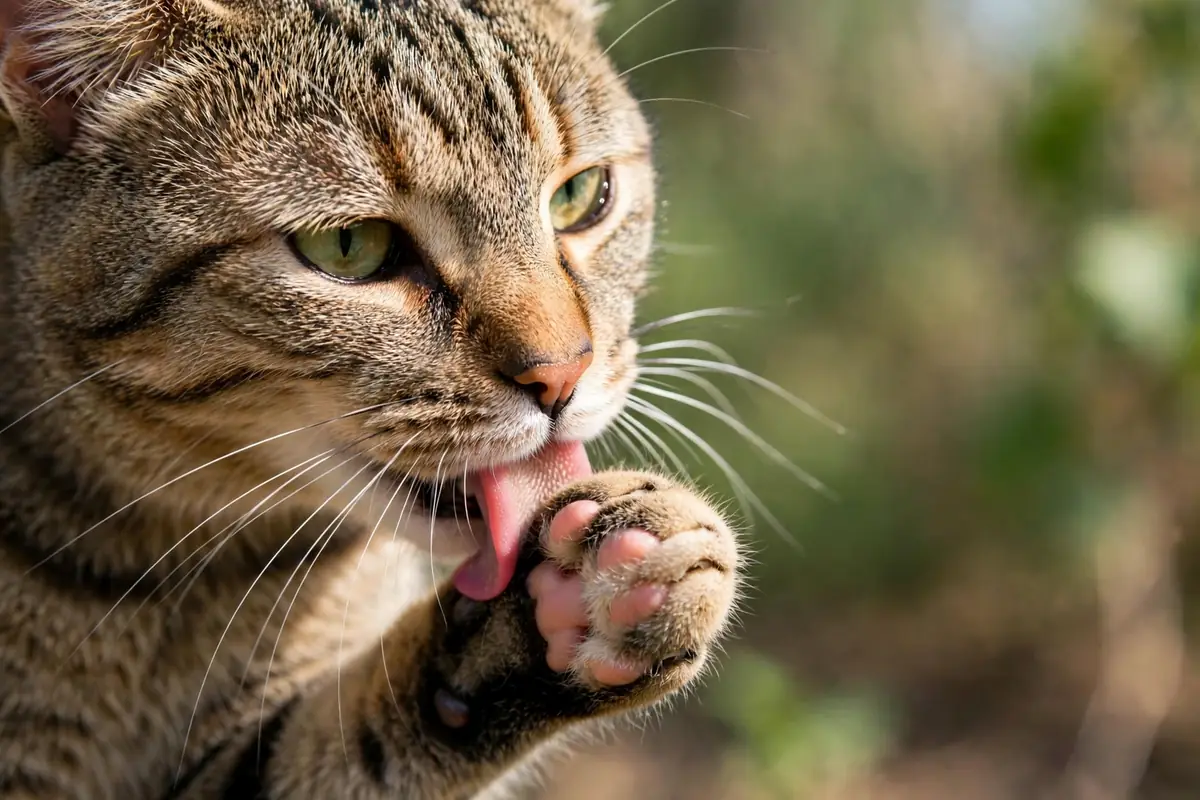
Cats explore the world with their mouths, so an occasional lick of a new bag or a curious sniff of the sofa is perfectly normal. But when your cat starts licking everything — the floor, the air, plastic bags, blankets, your hands — on a loop, it is usually trying to tell you something. The six most common reasons are: nausea or acid reflux, pica (craving non-food objects), anxiety or boredom, dental or mouth pain, liver or kidney problems, and a lingering taste or something stuck in the mouth.
Excessive licking sits at an interesting crossroads between behavior and health: sometimes a harmless quirk, sometimes the first visible clue to a medical problem. The trick is knowing how to read it. This guide walks through each of the six reasons, shows you how to observe your cat's licking like a detective, suggests safe things to try at home, and flags the red signs that mean it is time to call the vet.
6 Reasons Your Cat Keeps Licking Everything
- Nausea or acid reflux. The top medical reason: a queasy cat licks its lips, licks the air, and swallows repeatedly — like a person with an upset stomach. If air-licking comes in episodes, especially around meals, suspect the digestive tract.
- Pica: craving non-food objects. Some cats compulsively lick and chew plastic, fabric, paper, or rubber bands. Young cats, under-stimulated indoor cats, and certain breeds (Siamese are classic examples) are more prone. It starts as licking and can progress to swallowing material.
- Anxiety or boredom. Repetitive licking can be self-soothing — a feline version of nail-biting. Cats left alone for long stretches, in tense households, or suddenly without playtime may fall into a licking loop simply because it feels calming.
- Dental or oral pain. A sore tooth, inflamed gums, a mouth ulcer, or a foreign object can make a cat lick constantly, paw at its mouth, or drop food. Licking plus drooling, bad breath, or eating on one side of the mouth strongly suggests oral pain.
- Liver or kidney problems. Cats with liver or kidney disease can develop nausea or odd mouth tastes that show up as persistent licking. Consider this especially in seniors, or when licking comes with weight loss, increased thirst, or vomiting.
- A lingering taste or residue. The most innocent explanation: something tasty on the surface. Cleaning residue, food smells on the counter, salty sweat on your skin, or a bit of food stuck on a paw can trigger a licking session that fades once the taste is gone.
How to Observe: Play Detective Before You Worry
Before deciding whether the licking is a quirk or a symptom, spend two or three days watching with intention. Vets genuinely value this kind of owner detective work, so keep notes on your phone:
- What exactly is being licked? Floors and air suggest nausea; plastic bags and fabric suggest pica; one sore paw might be a wound or allergy instead.
- When does it happen? Around meals points to digestive trouble; when you leave the house points to separation anxiety; random all day points to something more persistent.
- What came first? Did the licking start after a move, a new pet, a new food, a new cleaning product, or a stressful event? Timing is often the biggest clue.
- What else changed? Appetite, thirst, energy, vomiting, diarrhea, litter box habits, grooming — note anything that shifted at the same time, even if it seems unrelated.
- Can your cat be distracted? A bored or anxious cat will often stop licking when engaged with play. A nauseous or painful cat usually cannot be distracted — and may lick more when interrupted.
Safe Things to Try at Home
Once you have a sense of the pattern, a few low-risk changes can help — and they also give you useful information to report to your vet:
- Refresh the environment. Wash food and water bowls daily, wipe down counters where cleaning residue might linger, and store plastic bags, rubber bands, and string out of reach — all ingestion hazards for pica-prone cats.
- Add structured play. Two 10-minute interactive play sessions a day — a wand toy, a crinkle ball, a food puzzle — can dramatically reduce boredom-driven licking.
- Soften mealtime. If nausea is suspected, smaller, more frequent meals of the cat's regular food can settle things. Avoid switching foods abruptly or offering rich human foods, which can worsen digestive upset.
- Check the mouth gently. With clean hands, lift the lip and look for red, swollen gums, broken teeth, sores, or anything stuck. Do not pry the mouth open or pull at anything lodged — if you see something suspicious, that is a vet job.
- Reduce stress triggers. Keep routines predictable, provide hiding spots and vertical space, and introduce changes gradually. For more ideas, browse the Cat Health guides on recognizing feline stress and discomfort.
Do not give antacids, anti-nausea drugs, or any human medication — many are unsafe for cats, and masking symptoms can delay the real diagnosis. You can explore more practical everyday care tips across Purrfect Paws while you monitor.
Red Flags: When Excessive Licking Means "Call the Vet"
Book a veterinary appointment — sooner rather than later — if the licking is paired with any of these:
- The behavior started suddenly in a cat that never did it before.
- Your cat is also vomiting, has diarrhea, or has stopped eating normally.
- You notice weight loss, increased thirst, or increased urination (possible kidney issues).
- There is drooling, bad breath, pawing at the mouth, or visible mouth sores (likely dental).
- Your cat is swallowing plastic, fabric, or other non-food items — swallowed material can cause intestinal blockages.
- The licking is constant and cannot be interrupted, or your cat seems distressed while doing it.
- Your cat is a senior (11+) and the habit is new — older cats deserve a checkup for kidney, liver, or dental disease.
At the appointment, bring your observation notes: what is licked, when, and what changed. A vet will typically start with a mouth exam and may recommend bloodwork, especially for senior cats, to check liver and kidney values.
Helping a Pica-Prone Cat Long Term
If your vet rules out medical causes and the diagnosis is behavioral pica or anxiety-driven licking, management becomes a lifestyle project:
- Cat-proof relentlessly. For pica cats, prevention is the treatment. Store bags, cords, rubber bands, and fabric scraps behind closed doors. Choose toys without small detachable parts.
- Feed for the mind. Puzzle feeders and scatter-feeding kibble turn meals into mental work, which scratches the same itch that pica does.
- Consider safe chew outlets. Some cats do well with sturdy, vet-approved chew toys designed for cats. Ask your vet for a recommendation rather than guessing.
- Stay consistent. Behavioral licking improves slowly. Track the habit over weeks, not days, and celebrate small reductions.
- Talk to your vet about anxiety support. For truly anxious cats, vets may suggest calming pheromone diffusers, structured enrichment plans, or in stubborn cases, anti-anxiety medication. Chronic stress is a medical issue too.
Frequently Asked Questions
Is it normal for cats to lick things that aren't food?
An occasional curious lick is normal — cats explore the world with their mouths. What isn't normal is persistent, repetitive licking of floors, air, plastic, or furniture, especially if it started suddenly. A sudden change in licking behavior deserves a vet check.
Why is my cat licking the air and swallowing repeatedly?
Air-licking with repeated swallowing usually points to nausea or acid reflux — the same kind of queasiness that makes people swallow hard. If it happens often or is paired with appetite loss, vomiting, or drooling, have your cat examined.
What is pica in cats, and is it dangerous?
Pica is the habit of chewing and swallowing non-food items like plastic, fabric, or paper. It can be dangerous if the cat ingests enough material to cause a stomach or intestinal blockage. Young cats, bored cats, and certain breeds are more prone to it.
Can anxiety make a cat lick excessively?
Yes. Excessive licking can be a displacement behavior — a self-soothing routine a stressed or bored cat falls back on, similar to nail-biting in people. Changes in the household, lack of play, or long hours alone can all trigger it.
When should excessive licking send me to the vet?
See a vet if the licking started suddenly, happens daily and won't stop, or comes with other symptoms: appetite changes, vomiting, weight loss, drooling, bad breath, pawing at the mouth, lethargy, or eating non-food objects. Those combinations can signal dental, digestive, liver, or kidney problems.