Why Does My Cat Throw Up After Eating?
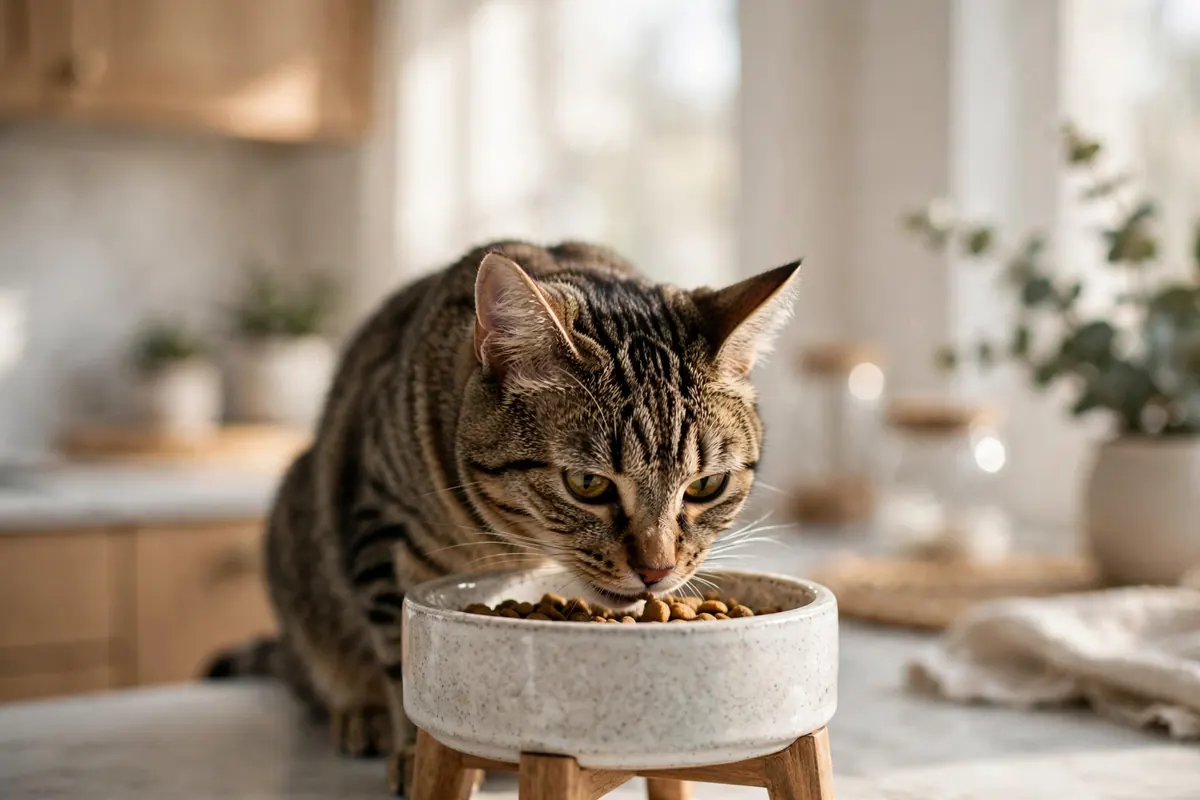
You fill the bowl, your cat inhales it in ninety seconds flat — and five minutes later the whole meal is back on the rug. If that sounds familiar, you are not alone: the most common reason cats throw up after eating is simply eating too fast. Gulped-down food, especially dry kibble that swells with stomach fluids, stretches the stomach too quickly and triggers what vets call "scarf and barf." The good news is that occasional post-meal vomiting in an otherwise healthy cat is usually harmless, and the fix is often as simple as slowing your cat down.
But speed is not the only culprit. Hairballs, food sensitivities, sudden diet changes, and overeating can all cause the same unwelcome encore. This guide breaks down every common reason your cat throws up after meals, how to tell regurgitation from true vomiting, six simple fixes that actually work — and the warning signs that mean it is time to call the vet.
Regurgitation vs. Vomiting: How to Tell the Difference
Most of what owners call "throwing up after eating" is actually regurgitation, and the distinction matters. Regurgitation is passive: undigested food slides back up from the esophagus within minutes of eating, with no heaving or retching, and it usually looks like a neat tube-shaped pile of barely chewed kibble. True vomiting is active — you will see abdominal heaving and hear retching — and it typically happens a while after eating, producing partially digested, acidic-smelling food or bile. Regurgitation after meals points to eating mechanics (speed, portion size, posture), while repeated true vomiting is more likely to involve the stomach itself and deserves closer attention.
The #1 Cause: Eating Too Fast
Cats that bolt their food swallow large amounts of air along with it, and dry kibble then expands as it absorbs stomach fluids. The result is a stomach that fills and stretches faster than it can comfortably handle, so the body simply ejects the load. This is especially common in multi-cat households, where a cat eats competitively to beat a housemate to the bowl, and in cats that were previously strays or food-insecure. If the vomit appears within 10–15 minutes of the meal, looks largely undigested, and your cat immediately acts hungry again, speed is almost certainly your answer — and the fixes in the next section usually solve it within days.
7 More Reasons Your Cat Throws Up After Meals
- Hairballs. A cat that already has a hairball sitting in its stomach can find that a full meal triggers the gag reflex — so the food comes back up along with the hairball. Long-haired breeds are the usual suspects, and the problem peaks during spring and fall shedding seasons.
- Food intolerance or sensitivity. Some cats react to specific proteins (dairy and beef are frequent offenders) or to heavily processed ingredients. Unlike a true allergy, intolerance usually shows up as digestive upset — vomiting, soft stool, or gassiness — rather than skin problems.
- Sudden diet changes. Switching foods overnight is one of the most avoidable causes of post-meal vomiting. A cat's gut bacteria need 7–10 days to adjust to a new formula, so an abrupt swap frequently ends on the carpet.
- Overeating. Free-fed cats that graze all day rarely have this problem, but a cat given one or two very large meals may simply take in more than its stomach comfortably holds — especially after a period of missed meals.
- Cold food. Wet food served straight from the refrigerator can irritate some cats' stomachs. Letting refrigerated portions warm to room temperature for 15–20 minutes before serving prevents this easily overlooked trigger.
- Mealtime stress. Loud noises, a new pet hovering nearby, or bowls placed too close together in a multi-cat home can make a cat eat anxiously and too quickly. Where your cat eats matters almost as much as what it eats.
- Underlying medical issues. When vomiting after meals is frequent, worsening, or paired with other symptoms, conditions like inflammatory bowel disease, pancreatitis, hyperthyroidism, or kidney disease can be involved — particularly in senior cats. This is when home fixes stop and veterinary diagnosis starts.
6 Simple Fixes That Actually Work
Work through these in order — most owners never need to get past the first two:
- 1. Slow the eating down. A slow-feeder bowl, puzzle feeder, or lick mat turns a 90-second inhale into a 10-minute forage. Spreading kibble on a large flat plate or baking sheet works as a zero-cost alternative.
- 2. Serve smaller, more frequent meals. Splitting the daily ration into three or four mini-meals prevents the stomach from overfilling. Automatic feeders, covered in our cat feeding portion guide, make this effortless even when you are at work.
- 3. Transition foods gradually. Mix the new food with the old over 7–10 days, increasing the new portion a little each day. Patience here prevents most diet-change vomiting.
- 4. Manage hairballs proactively. Brush long-haired cats daily and short-haired cats a few times a week, and consider a hairball-control formula or treat during heavy shedding months.
- 5. Create a calm feeding station. Feed each cat in its own spot, away from foot traffic and noisy appliances. A relaxed cat eats more slowly.
- 6. Warm refrigerated food. Take wet food out of the fridge 15–20 minutes before mealtime, or stir in a spoonful of warm water. Never microwave it — hot spots can burn your cat's mouth.
When to Call the Vet
Occasional post-meal vomiting in a bright, hungry, normal-weight cat is rarely an emergency. Call your veterinarian promptly if you notice any of these red flags:
- Vomiting that happens daily or is increasing in frequency.
- Blood in the vomit, or material that looks like coffee grounds.
- Vomiting paired with lethargy, weight loss, diarrhea, or refusal to drink water.
- The patient is a kitten, a senior cat, or has a known chronic condition.
- Your cat is retching repeatedly with nothing coming up, or the belly looks swollen and painful.
For a deeper look at vomiting that is not tied to mealtimes, see our guide on when cat vomiting is a cause for concern. When in doubt, a quick call to your vet costs nothing and buys real peace of mind.
Frequently Asked Questions
Is it normal for a cat to throw up after eating?
Occasional vomiting right after a meal is common and usually caused by eating too fast. If it happens rarely and your cat is otherwise healthy, it is generally not an emergency. Vomiting that happens daily, or comes with weight loss or lethargy, needs a vet visit.
What is the difference between regurgitation and vomiting in cats?
Regurgitation is passive — undigested food comes back up within minutes, with no heaving, and looks like a tube-shaped pile of kibble. True vomiting involves active abdominal heaving and usually happens later, with partially digested, acidic-smelling food.
Will a slow feeder bowl stop my cat from throwing up after eating?
Often, yes. Slow feeder bowls, puzzle feeders, and lick mats force cats to eat at a natural pace, which fixes the most common cause — eating too fast. Many owners see improvement within the first week of switching.
Should I change my cat's food if they keep throwing up after meals?
Not immediately. First rule out eating too fast and sudden diet changes, which cause most cases. If slow feeding and gradual transitions don't help after a week or two, talk to your vet about a limited-ingredient or sensitive-stomach formula rather than switching randomly.
When should I worry about my cat vomiting after eating?
Call your vet if vomiting is daily or increasing, if you see blood or coffee-ground material, or if it comes with lethargy, weight loss, diarrhea, or refusal to drink. Kittens and senior cats should be seen sooner rather than later.
Can hairballs cause vomiting right after meals?
Yes. A full stomach can trigger the gag reflex in a cat that already has a hairball sitting in the stomach, so the meal comes back up with the hairball. Regular brushing and hairball-control food or treats help reduce this in long-haired cats especially.