American Wirehair: Complete Breed Guide
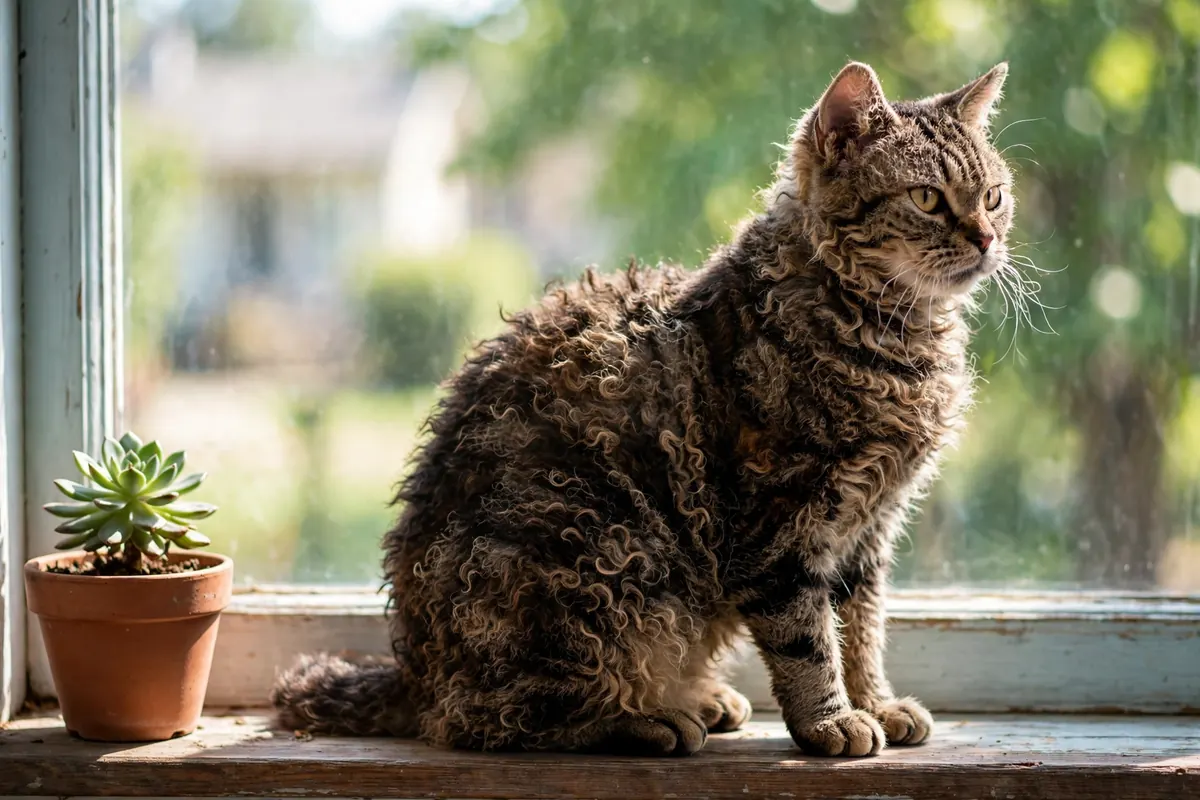
The American Wirehair is one of the rarest cat breeds in the world — a medium-sized, sturdy cat whose coat feels like no other cat's: springy, wiry, and crimped, right down to the whiskers. The breed began with a single kitten born on a farm in upstate New York, and its unusual coat is the result of a spontaneous natural mutation. If you ever get to touch one, you will understand the appeal instantly — the coat springs back under your fingers like a soft wire brush.
Behind that remarkable coat is a calm, affectionate, easygoing cat that fits well into family life. This guide covers the Wirehair's history, what makes the coat so different, how grooming differs from other breeds, temperament, health, and the honest truth about allergies — because this is not a hypoallergenic breed, whatever you may have read.
American Wirehair at a Glance
- Size: medium — typically 8 to 12 pounds, with a sturdy, well-muscled body.
- Build: solid and athletic, with a round head, full cheeks, and prominent whisker pads.
- Coat: the signature feature — short to medium, springy, wiry, and crimped, with crimped whiskers to match.
- Lifespan: typically 14 to 18 years with good care.
- Personality: calm, affectionate, playful, and adaptable — a quiet companion that bonds closely with its people.
- Good with: children, other cats, and cat-friendly dogs.
- Grooming: different from other breeds — light brushing only, because over-grooming can damage the wiry coat.
Origin and History: One Kitten on a New York Farm
The American Wirehair began in 1966, on a farm near Vernon, New York, where a litter of ordinary barn kittens included one red-and-white male with an extraordinary coat — wiry, crimped, and springy instead of soft. The farmer's wife recognized something special and the kitten, later named Adam, was bought by a local breeder. Adam was crossed with a neighboring cat, and two of the kittens inherited his wiry coat, proving the trait was genetic.
Geneticists later confirmed that the wiry coat comes from a dominant gene — a spontaneous mutation that had never been seen before in cats. The breed was recognized by cat associations within a few years, but it has remained rare ever since, partly because the gene pool started from a single cat and breeders have kept numbers small to protect the breed's health. Today the American Wirehair is still one of the least common recognized breeds, and most people will never meet one in person.
Appearance: The Wiry Coat That Defines the Breed
The Wirehair's coat is unlike any other cat's. Each hair is crimped, bent, or hooked, giving the whole coat a springy, wiry texture that you can feel the moment you touch it — it springs back under your fingers. Even the whiskers are crimped, which gives the face a slightly tousled, charming look. The coat is short to medium in length, dense, and resilient, and it comes in almost every color and pattern, though red tabby — Adam's coloring — remains a classic.
The rest of the cat is sturdy and well-proportioned: a medium-sized, muscular body, a round head with full cheeks and prominent whisker pads, and large, round eyes. Kittens are born with a wiry coat, but the texture keeps developing for the first few months, and the coat is at its most wiry in adulthood. A Wirehair's coat can vary from cat to cat — some are noticeably wiry, others more mildly crimped — and that variation is normal.
Personality and Temperament: Calm, Loyal, and Easygoing
American Wirehairs are quiet, steady companions. They are not the loudest or the most demanding cats, but they bond deeply with their people:
- Affectionate without being clingy. They enjoy laps and cuddles, but they are content to sit nearby rather than demand attention all day.
- Calm and adaptable. They adjust well to different households, routines, and visitors, and they rarely act out when things change.
- Playful in bursts. They enjoy interactive play and puzzle toys, then settle in for long, contented naps — often in the sunniest spot in the house.
- Good with children and other pets. Patient and tolerant, they suit families with respectful kids and usually accept other cats and cat-friendly dogs.
- Quiet. Wirehairs are not big talkers, which makes them a good fit for apartments and quieter homes.
One honest note: Wirehairs can be reserved with strangers at first. They warm up quickly once they know you, but do not expect them to greet every visitor like an old friend.
Grooming a Wiry Coat: Less Is More
Grooming a Wirehair is different from grooming other breeds, and the key rule is: less is more. The wiry texture comes from the shape of each hair, and over-brushing can straighten the crimped hairs and damage the coat's unique texture. Brush lightly once a week with a soft brush, just enough to remove loose hair — and skip the slicker brush and the furminator-style tools, which are too harsh for this coat.
Some Wirehairs have slightly oily coats, and an occasional bath with a gentle cat shampoo can help — but bathe only when the coat actually needs it, not on a fixed schedule, and dry the cat thoroughly afterward. Trim nails every two to three weeks, check ears for buildup, and keep up with dental care from an early age. Shedding is moderate, with a heavier shed in spring, and a damp cloth wiped over the coat can pick up loose hairs without disturbing the wiry texture. If you are unsure about your cat's coat, ask your vet or a groomer who knows the breed before trying any new grooming tool.
Health, Allergies, and Lifespan
American Wirehairs are generally healthy cats with a typical lifespan of 14 to 18 years, and the breed has no widespread inherited disease linked to the wiry coat. The small gene pool means responsible breeders screen their breeding cats carefully, so ask any breeder about health screening and veterinary records. As with any breed, weight gain is worth watching — feed measured meals and weigh your cat regularly. Annual vet exams, twice yearly for seniors, track weight trends and catch small problems early. Keep vaccinations current and maintain parasite prevention as your vet advises.
The allergy question deserves a straight answer: the American Wirehair is not hypoallergenic. No cat is truly hypoallergenic, and the Wirehair is no exception — it still produces the Fel d 1 protein that triggers most cat allergies, and it still sheds. Some allergy sufferers report that they react less to Wirehairs, possibly because the wiry coat holds dander differently, but that is anecdotal and varies from person to person. If you have allergies, spend time with the individual cat before committing, and talk to your doctor — never buy a Wirehair on the promise that it will not trigger allergies.
Is the American Wirehair Right for You?
The American Wirehair suits anyone who wants a calm, loyal, low-maintenance companion with a truly unique look. They thrive in apartments and houses alike, do well with first-time owners, and fit families with children and other pets. If you love the idea of a rare breed and you are willing to wait — Wirehair kittens are scarce, and waiting lists are common — this is a rewarding cat to own.
Think twice if you have allergies and were hoping for a hypoallergenic breed, or if you want a highly social cat that greets every stranger. And be realistic about availability: the breed is rare, so finding a kitten takes patience, and prices reflect that scarcity. Check shelters and breed-specific rescues first — Wirehair-type cats occasionally turn up in rescue. If you choose a breeder, look for home-raised kittens, health-screened parents, veterinary records, and a written health guarantee, and run through our adopting a cat checklist before bring-home day.
Frequently Asked Questions
Are American Wirehairs hypoallergenic?
No. American Wirehairs are not hypoallergenic — they still produce the Fel d 1 protein that triggers most cat allergies, and they still shed. Some allergy sufferers report reacting less to them, but that is anecdotal and varies from person to person, so spend time with the individual cat before committing.
How rare are American Wirehairs?
Very rare — the American Wirehair is one of the least common recognized cat breeds, because the gene pool started from a single kitten in 1966 and breeders have kept numbers small. Kittens are scarce, waiting lists are common, and most people will never meet one in person.
How do you groom an American Wirehair?
Gently and lightly: brush once a week with a soft brush, just enough to remove loose hair, and avoid slicker brushes and de-shedding tools, which can damage the wiry texture. Bathe only when the coat actually needs it, and a damp cloth can pick up loose hairs without disturbing the coat.
Do American Wirehairs shed a lot?
They shed moderately, with a heavier shed in spring. Weekly light brushing and the occasional wipe with a damp cloth are usually enough to keep loose fur under control.
Are American Wirehairs good with kids?
Generally, yes. Their calm, patient, easygoing nature makes them a good fit for families with respectful children. Always supervise young children and teach gentle handling, and give the cat a quiet place to retreat to.